Looking to Buy Property or Obtain Turkish Citizenship?
Begin your journey with a free consultation.
Get the facts and figures to make informed decisions.

If you have been dreaming of waking up to a view of the Bosphorus, or even better, an Aegean view in Bodrum, you are not alone. Turkey has long attracted expats with its history, culture, food, natural beauty and relaxed lifestyle. Understanding the cost of living in Turkey is one of the first steps towards making that dream realistic.
The old idea of Turkey as a low-cost expat destination needs updating. Istanbul, Bodrum, parts of Izmir, Antalya and prime coastal locations are no longer inexpensive in the way they once were. Rents have risen, private schools can be expensive, imported goods cost more than many newcomers expect, and inflation continues to affect daily life.
For many people arriving from the UK, Western Europe, the Gulf or North America, Turkey can still offer a very attractive lifestyle for the money. The key is to budget realistically. For James & Aysegul clients, the cost of living question is usually connected to something bigger: buying property, spending more time in Bodrum, relocating to Istanbul, applying for residency, considering citizenship, or deciding whether Turkey can become a long-term base.

Housing remains the largest expense for most expats in Turkey. In Istanbul, prices vary heavily by district. Central European-side neighbourhoods, Bosphorus areas, Nişantaşı, Etiler, Bebek, Levent, Şişli and high-quality serviced residences are expensive. On the Asian side, Kadıköy, Moda, Üsküdar, Ataşehir and parts of the coastal line can also command strong rents because of lifestyle, transport, schools and hospitals.
In Bodrum, rental pricing is shaped by season, view, location and property type. A pleasant flat can begin from around $1,000 USD per month in good areas, but villas with sea views, pools, gardens or proximity to Yalıkavak Marina can cost several times that. Short-term summer rentals are a different market again and can become extremely expensive.
Elsewhere in Turkey, rents can be much lower. Izmir, Antalya, Ankara, Bursa and smaller Aegean towns often provide more space for the same money. However, they may not offer the same level of international schools, private hospitals, luxury property, direct flights or English-speaking relocation support.
Some landlords in high-demand areas may still request several months of rent upfront, or even a full year in advance. This is especially common with foreign tenants, seasonal homes and properties in prime coastal locations.
Before signing a tenancy agreement, check:

A small apartment with careful usage may spend around $100 to $150 USD per month across electricity, water, heating and basic services. A larger villa with a pool, garden irrigation, summer air-conditioning and winter heating can spend far more. In Bodrum, summer electricity use can increase sharply if air-conditioning is running daily. In winter, heating costs depend on whether the home uses natural gas, electric heating, air-conditioning units, wood stoves or fireplaces.
For villa owners in Bodrum, monthly running costs may include:
Internet is generally reliable in major towns and cities, but exact availability depends on the address. A central Istanbul apartment may have fibre options, while a more rural Bodrum villa may have fewer choices or require a different setup.
As a practical guide, standard home internet packages may range from around $21 to $36 USD per month, depending on provider, speed, promotion and contract. Public package prices from major providers place many unlimited home internet packages around $31 to $35 USD per month, while some campaigns can reduce the monthly cost during the first contract period. Remote workers should check the exact building infrastructure before signing a contract or buying a home.

Mobile plans are still good value compared with many Western countries. For a realistic expat budget, allow around $11 to $19 USD per month for a prepaid or flexible mobile package with a useful data allowance. Current mainstream prepaid examples with around 20 GB of data fall within this range, depending on provider, campaign and package structure.
Lower-cost operators and special packages can be cheaper. Some budget data-only examples may sit closer to $4 to $6 USD per month, but they may not suit every user, and availability can depend on operator, customer type and campaign conditions.
Foreigners should also be aware of phone registration rules. If you bring a foreign mobile phone into Turkey and use it with a Turkish SIM for a long stay, you may need to register the device and pay the relevant fee. This is separate from the monthly SIM cost.

Food remains one of the great pleasures of living in Turkey, but grocery costs are no longer automatically low. Current price trackers show everyday examples such as milk around $0.95 to $1.20 USD per litre, a 500g loaf of bread around $0.95 USD, and 12 eggs around $2.30 USD. These figures vary by city, brand and shop, but they are useful indicators of how much prices have risen.
A single person who cooks at home and shops locally may spend around $250 to $400 USD per month on groceries. A couple may spend around $500 to $800 USD. A family can easily spend $900 USD or more, especially if they buy imported products, meat, alcohol, branded snacks, specialist foods or premium supermarket items.
The cheapest way to eat well in Turkey is to shop like locals. Weekly markets are still excellent for seasonal produce, herbs, olives, cheese, eggs and household basics. In Bodrum, local markets are part of the lifestyle and can reduce costs if you avoid relying only on supermarkets.
Imported goods are the expensive part. Foreign cereals, sauces, coffee capsules, alcohol, cosmetics, cheese, pet food and specialist dietary products can cost much more than expected.
A practical weekly shop for one person might include:

Eating out in Turkey can be affordable, but the range is wide. A simple meal in an inexpensive restaurant is often around $7 to $9 USD, while a meal for two in a mid-range restaurant can be around $42 USD before drinks in many cost trackers. Some expat-area restaurant examples place dinner for two closer to $50 USD nationally, and around $67 USD in Istanbul.
Local lokantas, pide restaurants, kebab houses and bakeries can still offer good value. In neighbourhood restaurants, you can often eat well for far less than in tourist or marina locations.
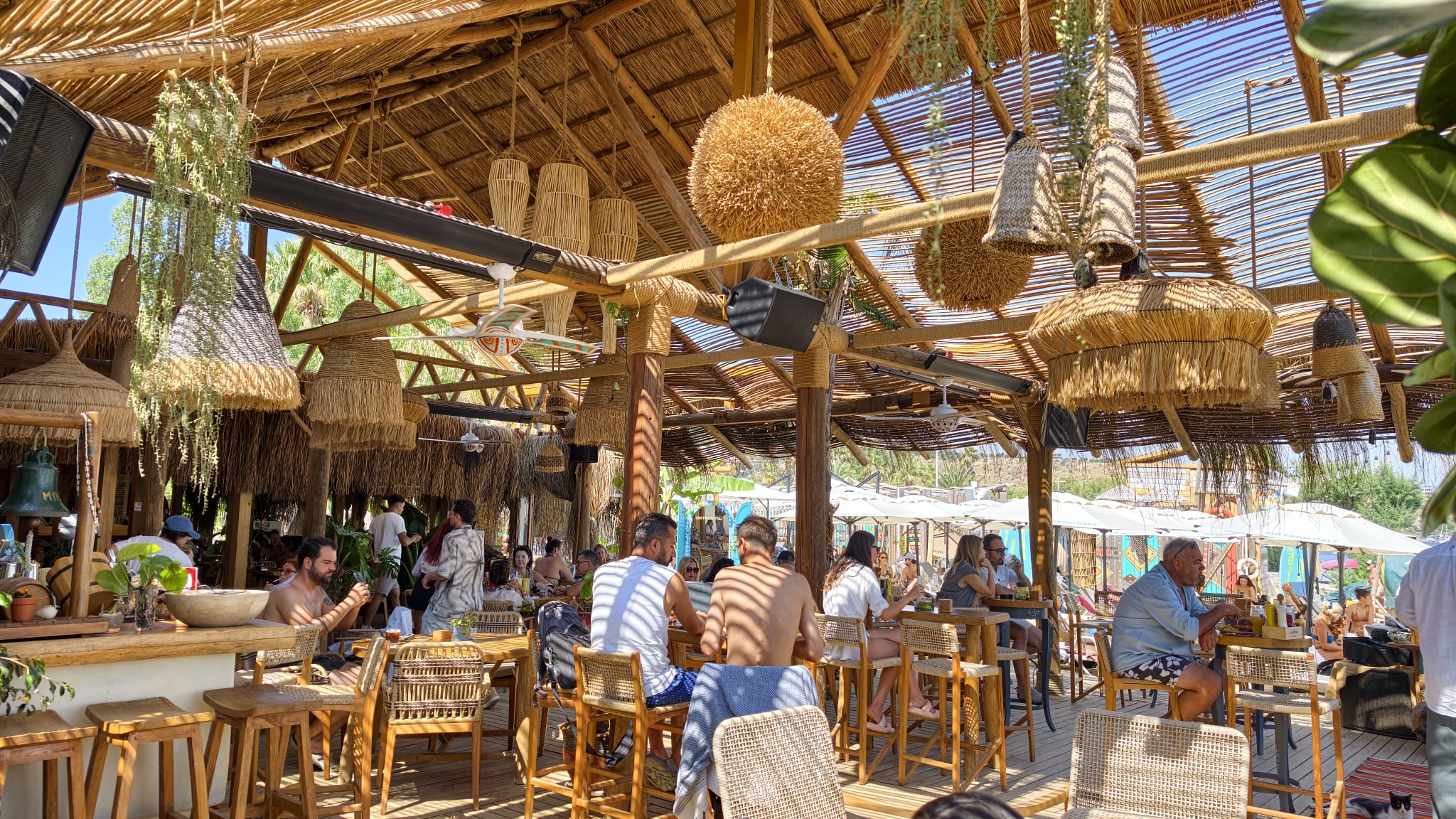
Bodrum is different in summer. Beach clubs, seafood restaurants, marina dining and high-end hotel restaurants can feel closer to European resort prices. A simple local meal may still be reasonable, but premium coastal dining can become expensive quickly.
Coffee is another example of lifestyle choice. Turkish tea remains inexpensive and social. A cappuccino in a standard café may be manageable, while international chains or expat-area cafés can charge much more. In Istanbul expat areas, current cost trackers show cappuccinos around $4 to $5 USD.
Turkey’s public transport can be very good value, especially in Istanbul. Istanbul has metro, tram, bus, ferry, Metrobus, Marmaray and suburban rail connections. Regular public transport fares are now around $0.90 to $1 USD per journey, depending on the route, tariff update and mode. Marmaray and Metrobus journeys can be calculated differently according to distance or stops. Even with increases, public transport remains far cheaper than owning and running a car in Istanbul. Parking, traffic, fuel, tolls and insurance can make car ownership frustrating.
Bodrum is more mixed. Some residents can live comfortably without a car if they are based in central Bodrum, Bitez, Yalıkavak centre or another walkable location. Others need a car for villa living, school runs, supermarket trips and year-round movement around the peninsula.
Car ownership is expensive because vehicle prices in Turkey are high. Imported cars, taxes and registration costs can make new vehicles much more expensive than many foreigners expect.
Fuel is another real cost. Recent fuel data placed petrol in Turkey at around $1.39 USD per litre. That makes regular driving an important budget item, especially for families or villa owners outside town centres.
The upside is that Turkey is well connected. Domestic flights and intercity buses make travel easy. Turkey’s airports handled 247.2 million passengers in 2025, while Milas-Bodrum Airport handled 4.41 million passengers.

Turkey’s healthcare system is one of the main reasons many expats feel comfortable spending more time in the country. Private hospitals, dentists, specialists and diagnostic centres are widely available in Istanbul, Izmir, Antalya and other large cities. Bodrum also has private healthcare options, while more complex treatment may sometimes involve Izmir or Istanbul.
Private care can be much better value than in the US or UK private sector. Specialist consultations are often under $100 USD, although pricing depends on hospital, doctor, location and whether the patient is treated as a local resident or international patient.
Private health insurance varies by age, medical history and coverage. A basic policy may start from around $1,500 USD per year, but older applicants, families and those wanting wider hospital access should expect higher costs.
For residence permit purposes, the insurance must be suitable for the application. A simple international travel insurance policy may not be enough.
Dental care is often good value. Many foreign residents choose Turkey for private dentistry because crowns, implants and cosmetic dental work can cost less than in Western Europe or North America. Quality varies, so provider checks are essential.

For families, education can be the biggest cost after housing. Istanbul has the widest choice of international and private schools, but fees can be significant. Bodrum has fewer options, although local private schools, bilingual schools and alternative arrangements may suit some families. Families should budget for:
A couple without children can live very comfortably in Turkey on a moderate foreign income. A family needing private education, a large home, healthcare, regular flights and reliable transport needs a much larger budget.

Istanbul is usually more expensive for central rent, private schools, business districts, parking, premium restaurants and family logistics. However, it also gives more choice. You can live in a high-end Bosphorus neighbourhood, a modern apartment district, a more residential Asian-side area, or an outer suburb with better value.
Bodrum is lifestyle-led. Daily life can be simple if you shop locally, eat at neighbourhood restaurants and live outside the most expensive areas. But sea views, private pools, marina access, beach clubs and summer services can make Bodrum expensive very quickly.
In Bodrum, the same person can live two very different lives. One version is local markets, quiet bays, simple restaurants and a modest apartment. The other is Yalıkavak Marina, beach clubs, private boats, premium villas and summer dining. The budgets are not the same.

A single person renting modestly outside the most expensive areas, cooking often, using local transport and avoiding imported goods may budget around $1,500 to $2,500 USD per month.
A couple in a good area of Istanbul or Bodrum, renting a pleasant home, eating out regularly, using private healthcare and enjoying a comfortable lifestyle may budget around $2,500 to $4,500 USD per month.
A family with a larger home, private healthcare, a car, regular travel, premium restaurants and private school costs may need $5,000 USD per month or more. International school fees can push this much higher.
A property owner with no rent may spend less each month, but only if the home is not expensive to run. A large Bodrum villa with a pool, garden, air-conditioning and maintenance can still have meaningful monthly costs.

Yes, but not in the same way as before. Istanbul, Bodrum and prime coastal areas have become much more expensive. Turkey can still offer good value if you choose the right location and budget realistically.
A standard home internet package may cost around $21 to $36 USD per month depending on provider, speed and campaign. Many unlimited packages from major providers sit around $31 to $35 USD per month before promotional discounts.
A realistic budget for a useful prepaid mobile package is around $11 to $19 USD per month. Some lower-cost packages exist, but mainstream 20 GB examples can sit within this range.
As a guide, recent cost trackers show milk around $0.95 to $1.20 USD per litre, bread around $0.95 USD for 500g, and 12 eggs around $2.30 USD. A single person may spend around $250 to $400 USD per month on groceries.
A simple restaurant meal may be around $7 to $9 USD. A mid-range meal for two can be around $42 USD or more before drinks, with Istanbul and Bodrum premium venues costing more.
Fuel prices change frequently. Recent petrol prices have been around $1.39 USD per litre.
Utilities can be reasonable in a small flat, often starting around $100 to $150 USD per month. Large villas, pools, garden irrigation, winter heating and summer air-conditioning can make bills much higher.
Yes. James & Aysegul can help buyers understand area choice, property running costs, utilities, maintenance, furniture, management and practical relocation needs before and after purchase.
Begin your journey with a free consultation.
Get the facts and figures to make informed decisions.
Want to discuss something specific?
Contact us, and we will be happy to help


Randal is a regular contributor to James & Ayşegül’s website and the writer behind The Turkey Diaries. He and his wife moved

Relocating to Bodrum may offer qualifying new residents a way to combine life on Turkey’s Aegean coast with a 20-year Turkish income-tax

Could Turkey’s new 20-year foreign-income exemption apply to your UK private pension? There is a credible argument that it could. Combine...
