Looking to Buy Property or Obtain Turkish Citizenship?
Begin your journey with a free consultation.
Get the facts and figures to make informed decisions.


A tourism rental permit in Turkey is now one of the most important checks for anyone buying a property with short-term rental income in mind. Many foreign buyers still ask a simple question: can I buy a villa in Bodrum or an apartment in Istanbul and rent it on Airbnb, Booking.com or another short-stay platform?
The answer is yes in some cases, but not automatically.
Turkey introduced a formal permit system for homes rented for tourism purposes for 100 days or less. This means an owner cannot simply furnish a property, photograph it and start accepting short stays. The property, title deed, building consent, management rules and physical standards all need to be checked first.
For Bodrum buyers, the permit can affect villas, summer homes, apartment sites, pool homes and managed holiday properties. For Istanbul buyers, it can affect central flats, serviced residences, branded projects, apartment blocks and investment properties shown as “Airbnb suitable”.
The safest approach is to check tourism rental permit suitability before buying, not after completion.
Turkey is one of the world’s busiest tourism markets. In 2025, the country recorded around 63.9 million visitors and tourism income of about $65.2 billion.
Short-term rentals became more visible as tourism grew. More owners were renting homes by the night or week, especially in Istanbul, Bodrum, Antalya, Fethiye, Kalkan, İzmir and Cappadocia. Guests wanted private homes, families wanted villas, and investors wanted higher seasonal income.
The permit system was introduced to regulate this activity. It gives the authorities clearer oversight of safety, guest registration, tax visibility, advertising, building rules and neighbour complaints. It also helps separate legal holiday rentals from informal listings that may not meet official standards.
For property buyers, this changed the investment calculation. A home that looks perfect for short-term rental still needs legal permission.

A tourism rental is generally a rental of a residential property for 100 days or less at one time. The key phrase is “100 days or less”. If a home is rented to a guest, family, company or visitor for a short stay within that period, the tourism rental permit rules may apply.
This can include:
A rental for more than 100 days falls outside the main tourism rental permit system. However, owners should be careful. The law also targets artificial avoidance. If an owner repeatedly uses longer contracts to avoid the permit rules, there can still be penalties in certain cases.
For buyers, the practical point is simple. If the plan is to rent the property to holiday guests, short-stay visitors or city travellers, check the permit route first.
The permit obligation belongs to the person renting out the property. This can be a Turkish owner, a foreign individual, a Turkish company, a foreign-owned company, or a person who controls the property through certain registered rights.
Foreign owners are not excluded from the rules. If you own a home in Turkey and want to rent it short term for tourism purposes, you need to follow the same legal framework.
The rule can apply to:
It does not only apply to professional landlords. A foreign buyer who uses a Bodrum villa for July and August, then wants to rent it during the rest of summer, still needs to consider the permit.

Applications are made through the official e-Devlet system. The application is then reviewed by the relevant provincial culture and tourism directorate, or by the Ministry for certain property types. The process normally includes several stages:
For ordinary apartment buildings, consent is often the deal-breaker. Where the property is in a building with multiple independent units, the law generally requires unanimous approval from all condominium owners in that building before a tourism rental permit can be issued.
This is extremely important in Istanbul.
A buyer may be shown a central apartment in Cihangir, Şişli, Nişantaşı, Kadıköy, Galata, Beşiktaş or Karaköy and told it could earn strong short-term rental income. But if the building owners do not approve tourism rentals, the permit may not be possible.
For housing sites made up of several blocks, the required approval is linked to the building where the rental property is located, not necessarily every block in the entire site. Even so, approval can still be hard to obtain.
In buildings with more than three independent sections, there is also a limit. No more than 25% of the units can receive permits in the name of the same landlord. If the same landlord wants permits for more than five units in the same building, extra requirements can apply, including business licence considerations.
For investors, this means an ordinary apartment is not automatically a short-term rental asset. Consent must be checked before money changes hands.
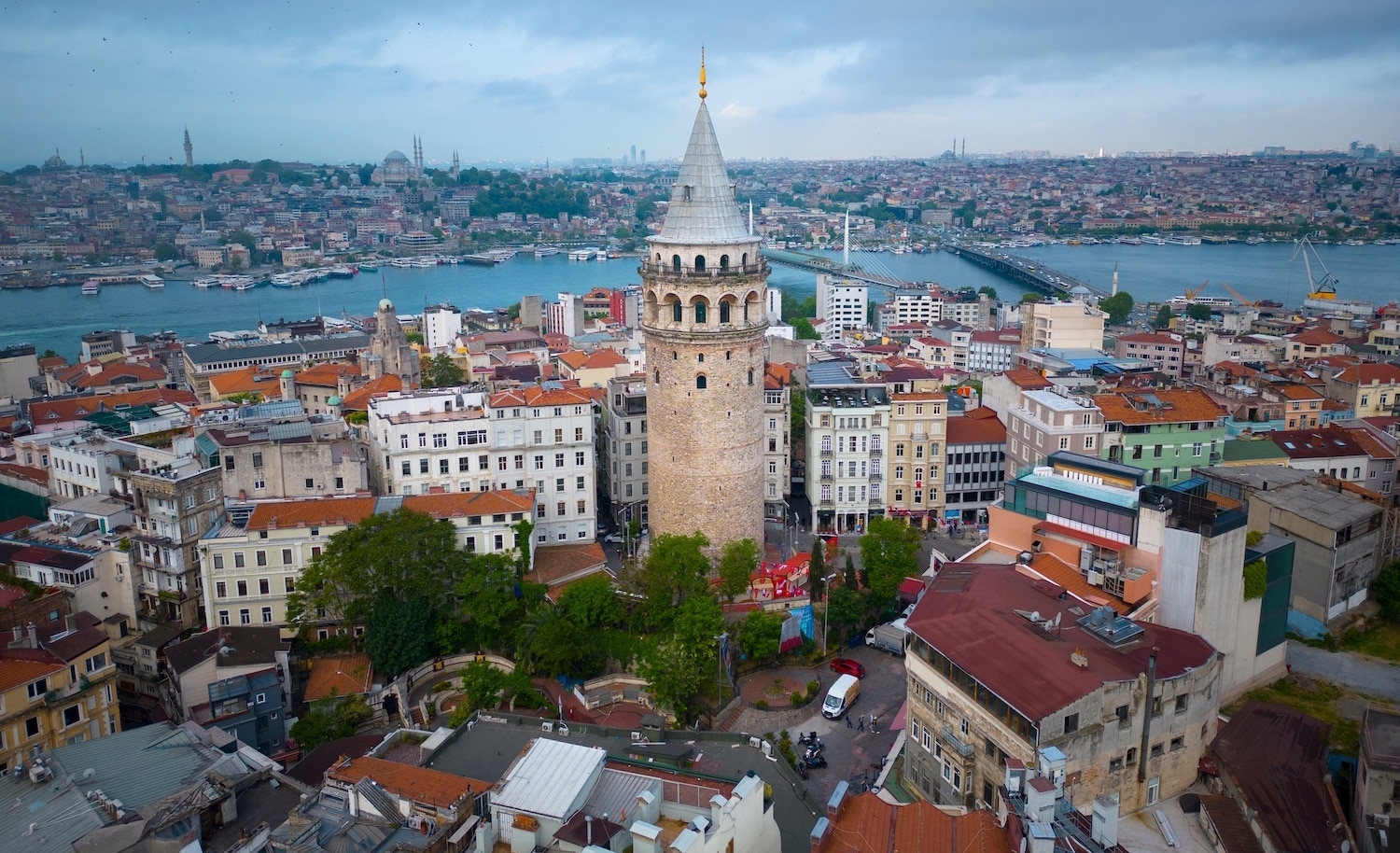
There is an important exception for certain high-quality residences. Some buildings with reception, security, daily cleaning areas, management services and hotel-style facilities can follow a different route, especially where the management plan allows short-term rental activity.
This is relevant in Istanbul, where many foreign buyers look at branded residences and serviced apartments. However, not every modern residence qualifies. A building with a lobby and security desk is not automatically a high-quality residence under the permit rules. The management plan, facilities, official building status and operating structure must all be reviewed.
This is where Istanbul buyers need careful advice. A serviced project may be easier than a normal apartment block, but the details decide whether the permit route is realistic.
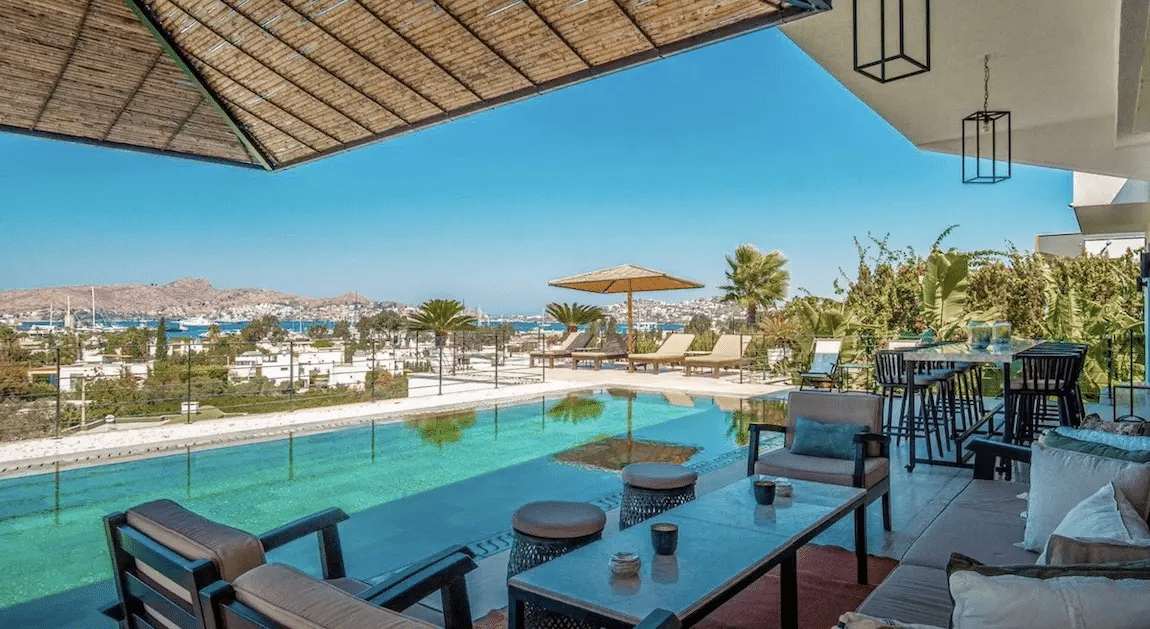
Bodrum is one of the most important areas for short-term rental questions. Villas in Yalıkavak, Gümüşlük, Gündoğan, Türkbükü, Bitez, Torba, Turgutreis and central Bodrum can attract strong summer demand. Large homes with pools, sea views, privacy and good road access can be attractive to families, groups and long-stay holiday guests.
A detached villa can sometimes be more straightforward than an Istanbul apartment because there may be no apartment block consent issue. But this does not mean permission is automatic. Bodrum buyers should check:
Villa buyers also need realistic rental expectations. Bodrum can produce excellent summer demand, but legal rental income depends on permission, management quality, pricing, maintenance and season length.
Istanbul is a different rental market. Short-term demand can come from tourists, medical visitors, business travellers, digital workers, families visiting universities, and people staying near hospitals, offices or cultural districts.
The strongest demand is often in walkable and central areas. Buyers may look at Beyoğlu, Şişli, Nişantaşı, Beşiktaş, Kadıköy, Üsküdar, Bakırköy, Zeytinburnu and airport-linked districts.
But Istanbul also has the biggest consent challenge. Many flats sit in ordinary apartment buildings where full owner approval may be difficult. Some neighbours dislike short-stay traffic, luggage movement, noise, lift use and unknown guests. That is why Istanbul short-term rental investment should start with the building, not the furniture.
Before buying an Istanbul apartment for Airbnb-style income, ask whether the building has already approved tourism rentals, whether any units already have permits, whether the management plan allows it, and whether the apartment is in a residence structure that can support legal operation.

The property must meet minimum standards.
A tourism rental home should have at least one bed, a toilet and bathroom, living area and kitchen arrangement. It should have hot and cold water, suitable beds, bedding, towels and working equipment.
Safety requirements also apply. A chemical fire extinguisher is required, along with smoke detectors in relevant areas. Furniture, appliances and fittings should be clean, maintained and working.
Capacity is controlled. The usual calculation is two people per bedroom, plus up to two extra guests outside the bedrooms. Even if the home has more space, the maximum guest capacity is generally 12 people, excluding children under three.
This is especially relevant for Bodrum villas. A five-bedroom villa may be attractive for large groups, but advertising it beyond the official permitted capacity can create legal problems.
Once a permit is issued, the permit number must be shown clearly in advertising.
This includes online platforms, websites, social media, agency listings and other marketing channels. Listings should also give accurate information about the property, including location, guest capacity, floor level, balcony or terrace, bedroom and bathroom numbers, bed types, appliances, heating and cooling, parking, pool access, internet, pet rules and services.
Misleading advertising can lead to penalties. From a buyer’s perspective, this makes rental projections easier to test. A professional rental listing now needs to be accurate, permitted and traceable. This is better for serious owners, but harder for informal operators.
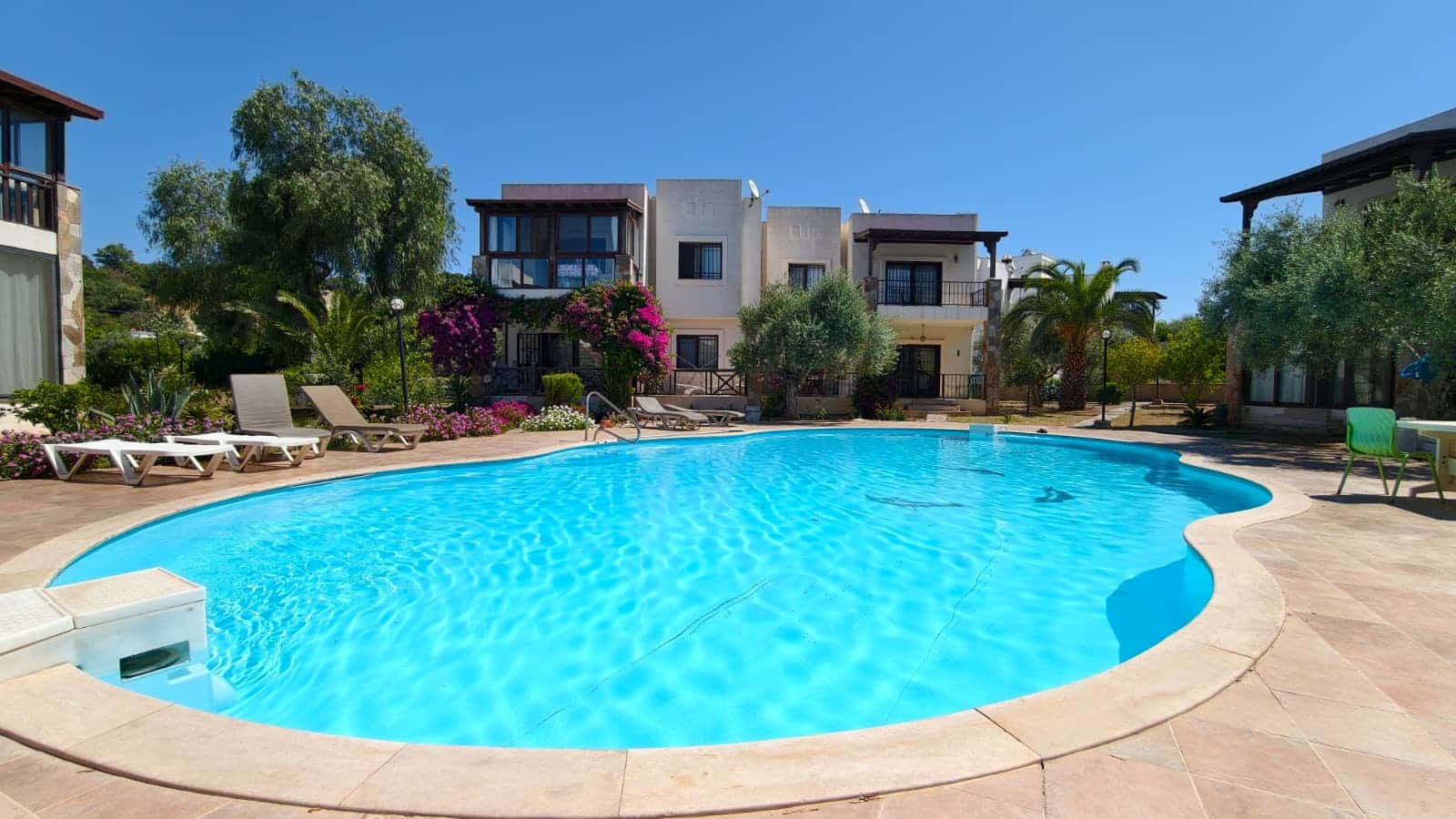
Permit holders have ongoing duties after approval.
The owner or authorised operator must deliver the property in line with the required standards, arrange cleaning and maintenance between guest stays, deal with pest control where needed, keep records, inform guests about site or building rules, and comply with identity reporting and personal data obligations.
This is not passive income in the casual sense. A legal short-term rental needs an operating system. That may include a local manager, cleaner, maintenance contact, guest check-in process, emergency contact, online listing control, financial records and tax support.
For foreign owners who live outside Turkey, this is essential. A permit may allow rental activity, but it does not remove the need for reliable local management.

The penalties can be serious. The law provides for administrative fines for renting without a permit, continuing to rent after warnings, failing to display the plaque, misleading advertising, failing to meet property standards and allowing unauthorised subletting.
Initial fines under the law include 100,000 TL per property for renting without a permit, with higher penalties if the activity continues. Repeated breaches can rise sharply, including fines of 500,000 TL and 1,000,000 TL in specific situations.
There can also be platform issues, neighbour complaints, access restrictions, tax questions and damage to resale confidence.
For a buyer, the key point is not fear. It is planning. If rental income is part of the purchase decision, confirm the legal path before you buy.
A tourism rental permit is not the same as tax compliance.
Owners still need to understand Turkish tax rules on rental income, possible invoicing requirements, record keeping, tourism contribution obligations where applicable, management costs and reporting duties.
The permit file may also be shared with local authorities, law enforcement and the tax office. This means short-term rental income is more visible than before.
Foreign owners should speak with a Turkish accountant before starting rentals. The right tax setup depends on whether the owner is an individual or company, whether they are tax resident in Turkey, how income is collected, and whether a management company is involved.

Before buying a property in Turkey for short-term rental income, check the following:
The question is not only “Can this property rent well?” The better question is: “Can this property rent legally, consistently and profitably after all checks and costs?”
The tourism rental permit rules have made property selection more important.
For Bodrum, the strongest rental properties are usually legal, easy to manage, well located, guest-friendly and suitable for summer use. A villa with a pool may look ideal, but site rules, neighbour tolerance, parking, safety and management still need review.
For Istanbul, the permit position can decide the whole investment. A beautiful apartment in a prime area may be unsuitable for short-term rental if the building will not approve it. A serviced residence may work better, but only if the legal and management structure supports it.
Before you commit to a rental-focused property in Bodrum or Istanbul, we can help you check the title deed position, building rules, site management, permit suitability, rental potential and after-sales support needed to operate the home properly.
A legal holiday rental can be a valuable asset. The right property can offer personal use, seasonal income and long-term value. The wrong property can leave an owner with a beautiful home that cannot be rented in the way they expected.
If you are considering buying a property in Turkey for Airbnb, Booking.com or short-term holiday rental income, contact James and Aysegul before you choose the property.

A tourism rental permit is an official permission allowing a residential property to be rented for tourism purposes for 100 days or less at a time.
Yes, if the rental is a short-term tourism rental. Airbnb-style stays normally fall within the permit system.
Yes. Foreign property owners can apply if the property and documents meet the required conditions.
Usually yes. In ordinary apartment buildings, unanimous approval from the relevant condominium owners is generally required.
Often they can be, especially if detached. But villas in managed sites still need checks on site rules, management plans and legal suitability.
The regulation does not allow a permit for renting one or several rooms from an unlicensed home used as a residence. The rules focus on the residential unit as a whole.
No. The permit allows the rental activity, but tax reporting and accounting obligations still need separate advice.
Begin your journey with a free consultation.
Get the facts and figures to make informed decisions.
Want to discuss something specific?
Contact us, and we will be happy to help


Randal is a regular contributor to James & Ayşegül’s website and the writer behind The Turkey Diaries. He and his wife moved

Relocating to Bodrum may offer qualifying new residents a way to combine life on Turkey’s Aegean coast with a 20-year Turkish income-tax

Could Turkey’s new 20-year foreign-income exemption apply to your UK private pension? There is a credible argument that it could. Combine...
