Looking to Buy Property or Obtain Turkish Citizenship?
Begin your journey with a free consultation.
Get the facts and figures to make informed decisions.

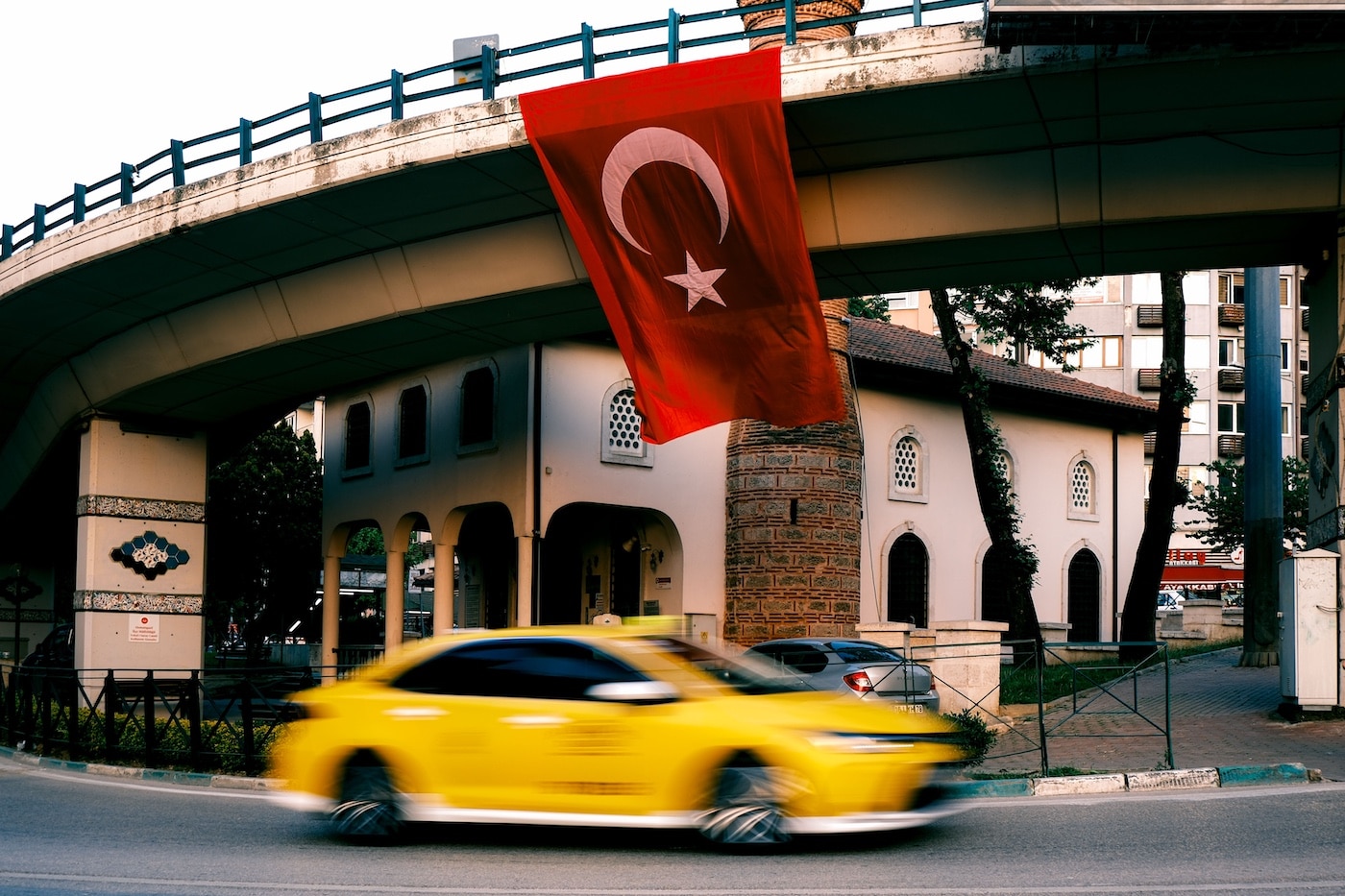
Taxis in Istanbul are part of everyday life. Even residents who rely heavily on the Metro, Marmaray and ferries will eventually need one for a late-night journey, an airport trip, heavy shopping, young children or a destination that sits awkwardly between public transport lines.
For a newcomer, using an Istanbul taxi can initially feel more complicated than it needs to be. Which colour should you take? Should the meter always be running? Can you use Uber in Istanbul? Do taxis accept cards? Who pays the bridge toll? Is there a night tariff? Can a driver refuse a short journey? And how much should an airport taxi actually cost?
Once you understand a few basic rules, taxis become much easier to use.
Istanbul currently has more than 20,000 licensed taxis supported by tens of thousands of drivers, with a new generation of app-based taxis gradually being added. The city also has regulated fares, licensed taxi apps and clear municipal rules governing routes, meters, luggage and passenger refusal.
The key is knowing those rules before you get in.
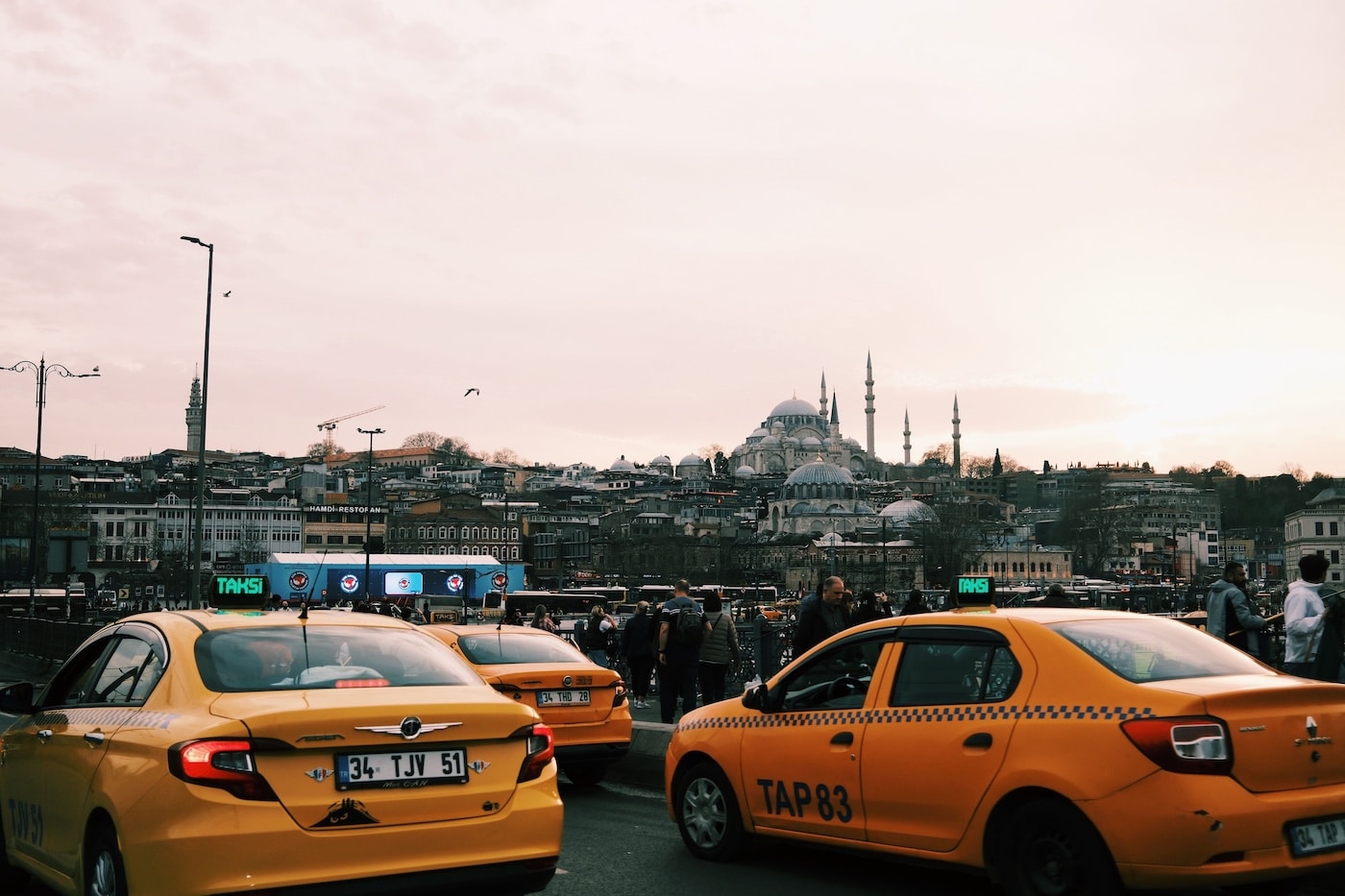
The standard Istanbul taxi is yellow. This is the vehicle most residents use and the one you will see outside hotels, airports, shopping centres, hospitals, restaurants and taxi ranks across the city. There are also different taxi categories with higher regulated tariffs. As of September 2026:
For most journeys, a normal yellow taxi is perfectly adequate. Large taxis can be useful for families, groups or travellers carrying more luggage. Luxury taxis offer larger or higher-specification vehicles, but the destination is the same and the extra cost can become significant on long journeys.
Licensed taxis should have visible identification and a working taximeter. Istanbul also uses electronic roof signs on many taxis to show whether a vehicle is available, occupied or travelling to collect another passenger.
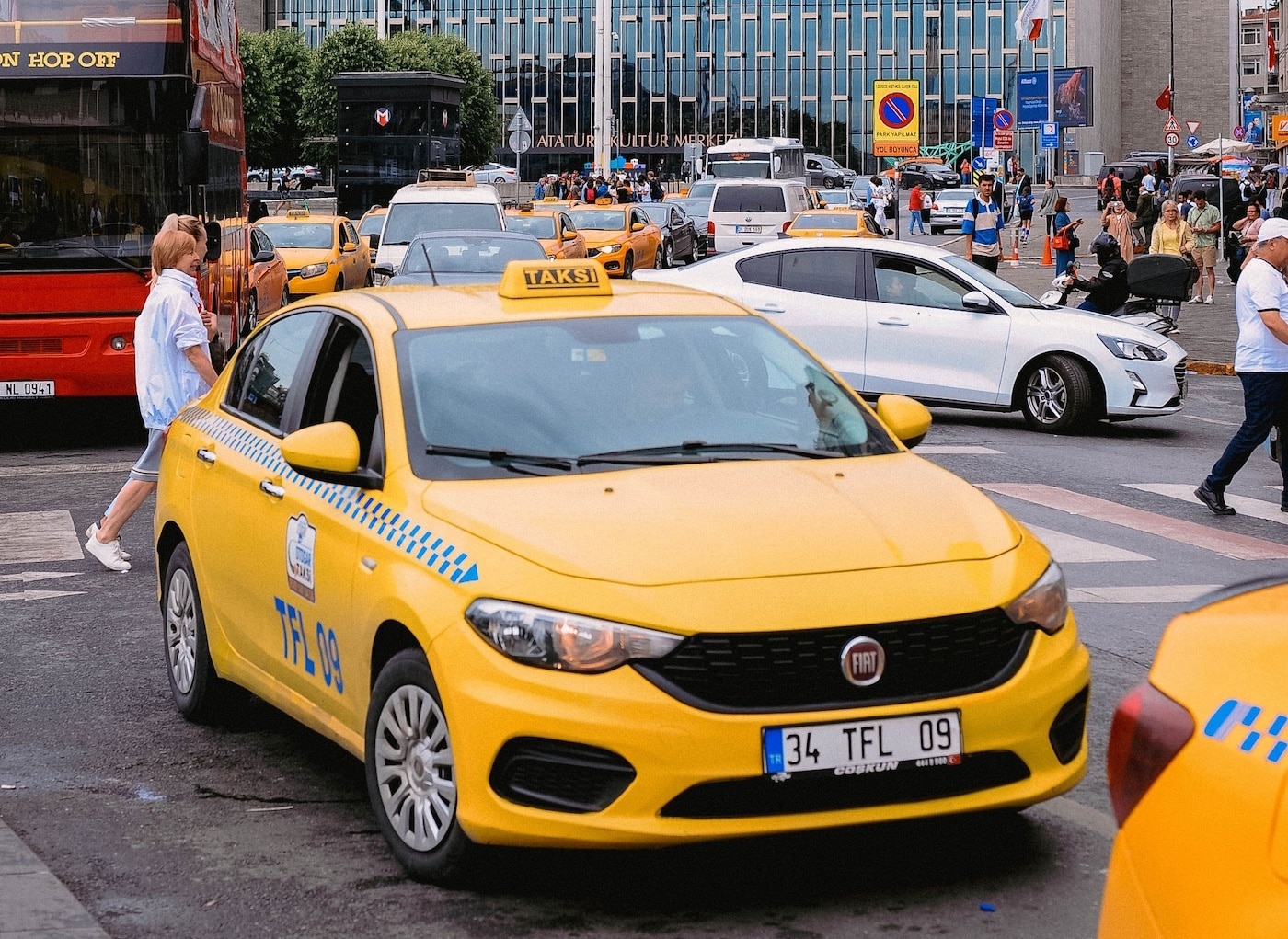
Taxi prices in Istanbul are regulated rather than individually negotiated by drivers. The current tariff came into effect on 20 July 2026. For a standard yellow taxi:
The minimum fare is important. If you travel only a very short distance and the meter finishes at 150 TL, you do not pay 150 TL. You pay the 230 TL minimum. The 230 TL is not an extra fee added to a normal journey. It is simply the minimum amount payable.
Traffic can also increase the fare because the meter charges for time when the taxi is stationary or travelling slowly. In Istanbul, that can make a considerable difference. A 10 km journey late on Sunday morning can cost less than exactly the same trip during weekday rush hour.
There is no official night surcharge. The same municipal tariff applies day and night. If someone tells you that taxis cost extra after midnight simply because it is night, that is not part of Istanbul’s official taxi tariff.

Yes. The Istanbul taxi rules require the taximeter to be operational, visible to the passenger and used during the journey. The meter should begin when you get into the taxi at your pickup point.
You should not normally negotiate a random cash price with a street taxi before travelling. If a driver proposes a fixed amount that seems unusually high and refuses to use the meter, it is better to take another taxi.
There are legitimate extras that can be added to the fare, particularly tolls. That is different from a driver inventing a separate journey price. The municipal rules also state that a driver should normally take the shortest route to the requested destination unless the passenger asks for another route.
This becomes relevant in Istanbul because navigation software may offer several alternatives. A driver may reasonably use another route to avoid a severe traffic jam, but it should make sense.
Keeping Google Maps or another navigation app open during an unfamiliar journey is useful. It helps you understand where you are without turning every different road choice into a dispute.
Istanbul is split between Europe and Asia, so some taxi journeys involve paid crossings. These can include the 15 July Martyrs Bridge, Fatih Sultan Mehmet Bridge, Yavuz Sultan Selim Bridge, Eurasia Tunnel and toll motorways.
The passenger pays legitimate toll charges used during their journey in addition to the amount shown on the taxi meter. For example, the 2026 toll for a standard passenger vehicle on either the 15 July Martyrs Bridge or Fatih Sultan Mehmet Bridge is 59 TL.
The important rule for newcomers is what happens after you leave the taxi. A driver cannot charge you an additional return bridge, tunnel or motorway toll simply because they may have to cross back afterwards. Istanbul’s taxi rules explicitly state that a passenger who has completed their journey cannot be charged for the driver’s return crossing.
You pay for tolls actually used while you are the passenger. This is especially useful to know when travelling between the European and Asian sides.
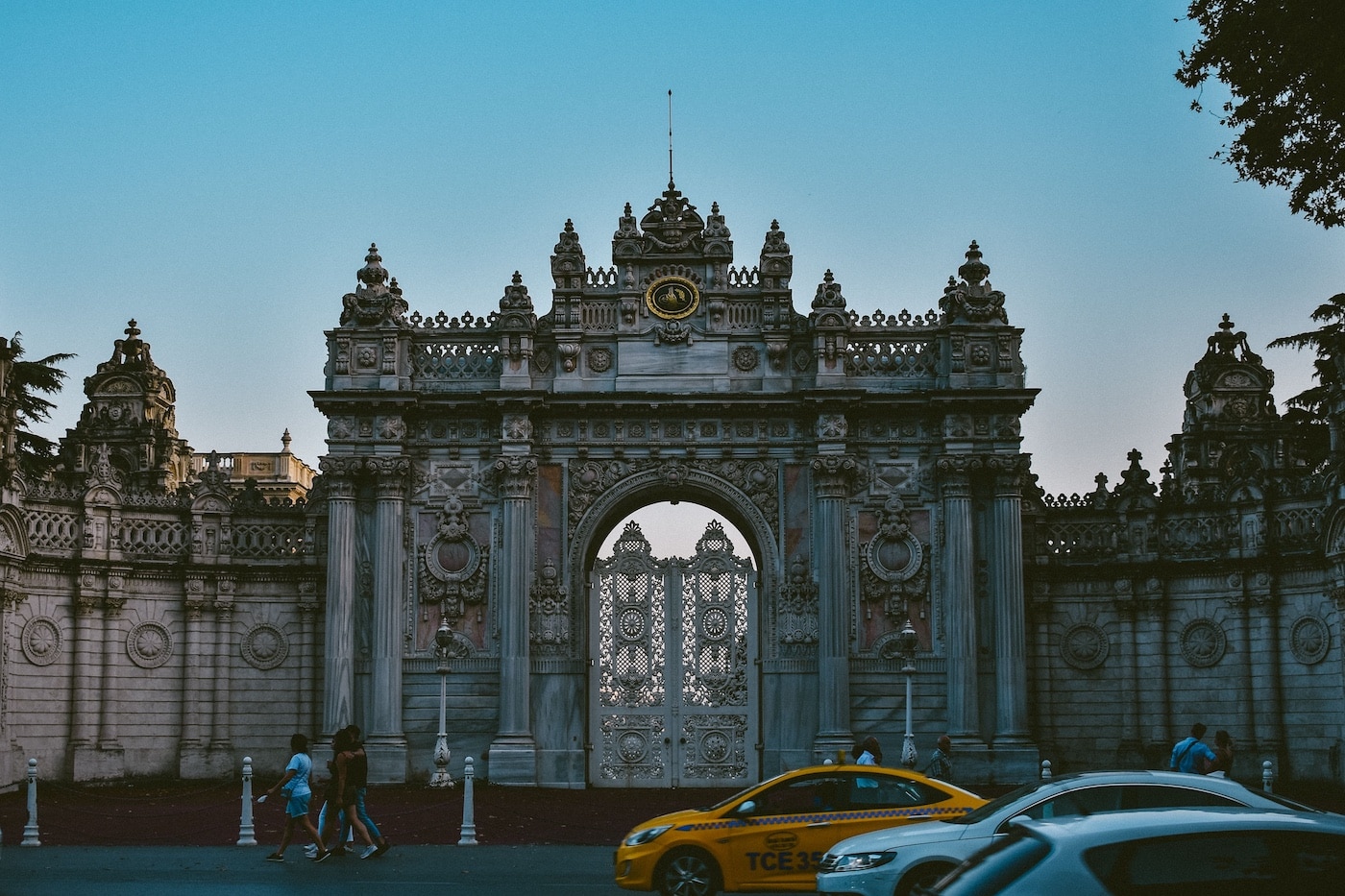
They are not supposed to. Istanbul’s taxi regulations state that drivers must respond to journey requests regardless of distance, traffic conditions or weather. Drivers are also prohibited from discriminating between passengers or simply refusing transportation.
This has historically been one of Istanbul’s better-known taxi frustrations. Drivers sometimes preferred airport trips or longer journeys over short urban fares. The city is trying to address this through digital monitoring and its new app-based taxi model.
Istanbul Metropolitan Municipality approved an additional 2,500 application-based taxis on top of the existing fleet. These vehicles operate only through authorised apps, with journey, vehicle, route and driver details digitally recorded.
By July 2026, 668 of these new taxi licences had been auctioned, 629 contracts signed and 587 vehicles had received temporary operating licences. For passengers, the direction is clear: Istanbul wants more taxi journeys to become traceable rather than anonymous street transactions.
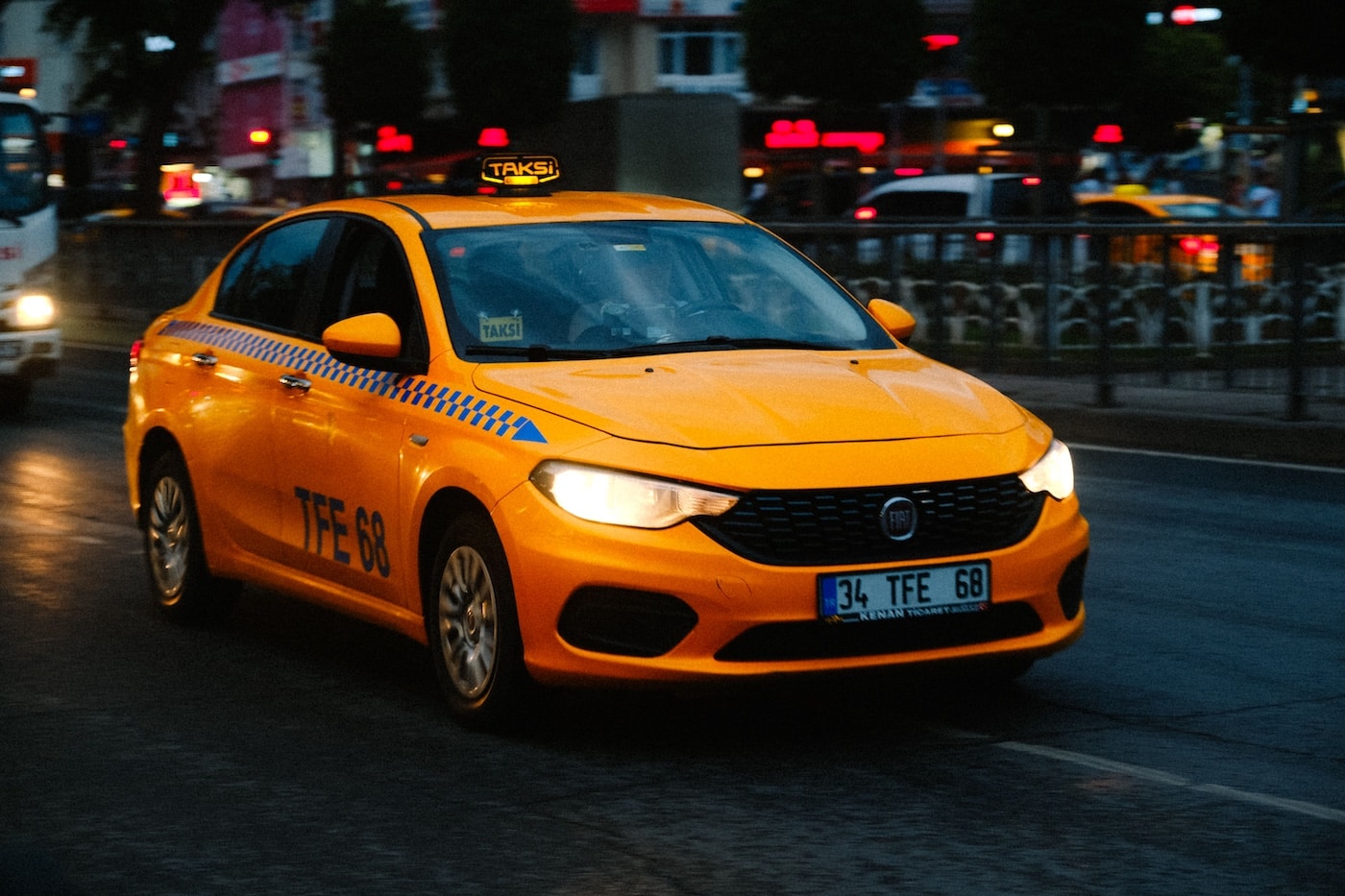
Two of the easiest options for newcomers are Uber and BiTaksi. However, Uber in Istanbul works differently from Uber in many US or European cities.
When you request a normal taxi through Uber, the app connects you with a licensed local taxi. It is not simply an unlicensed private driver using their personal car.
The journey is based on the regulated taxi fare, with an estimated cost displayed through the app. Depending on the ride setup, payment can be handled through the application. This has several advantages for visitors:
BiTaksi is a Turkish taxi application launched in 2013 and works in a similar way. It allows passengers to see available taxis, view driver information and ratings, enter their destination, receive an estimated fare, share journey information and use in-app payments. BiTaksi currently charges a platform service fee in Istanbul. Its published fee is 50 TL for yellow taxis and 90 TL for Lux and Large taxi journeys.
This is separate from the metered taxi fare. For a newcomer, an app can be particularly useful when you do not speak Turkish because there is less need to explain an address verbally.
Carry some Turkish Lira even if you usually pay by card. Card availability has improved considerably, but you should not assume every taxi you hail on the street will offer the payment method you expect. Using an app is usually easier if you specifically want to pay electronically.
BiTaksi states that its normal in-app payment system accepts domestic and foreign Visa, Mastercard and American Express credit cards.
There is an important distinction with BiTaksiPOS, its contactless payment system operated through a driver’s phone. BiTaksi currently states that foreign cards are not supported through BiTaksiPOS, even though they can be accepted through the main in-app card payment system.
That can easily confuse a visitor. If paying cash:
If paying electronically, confirm the method in the app before starting the journey.
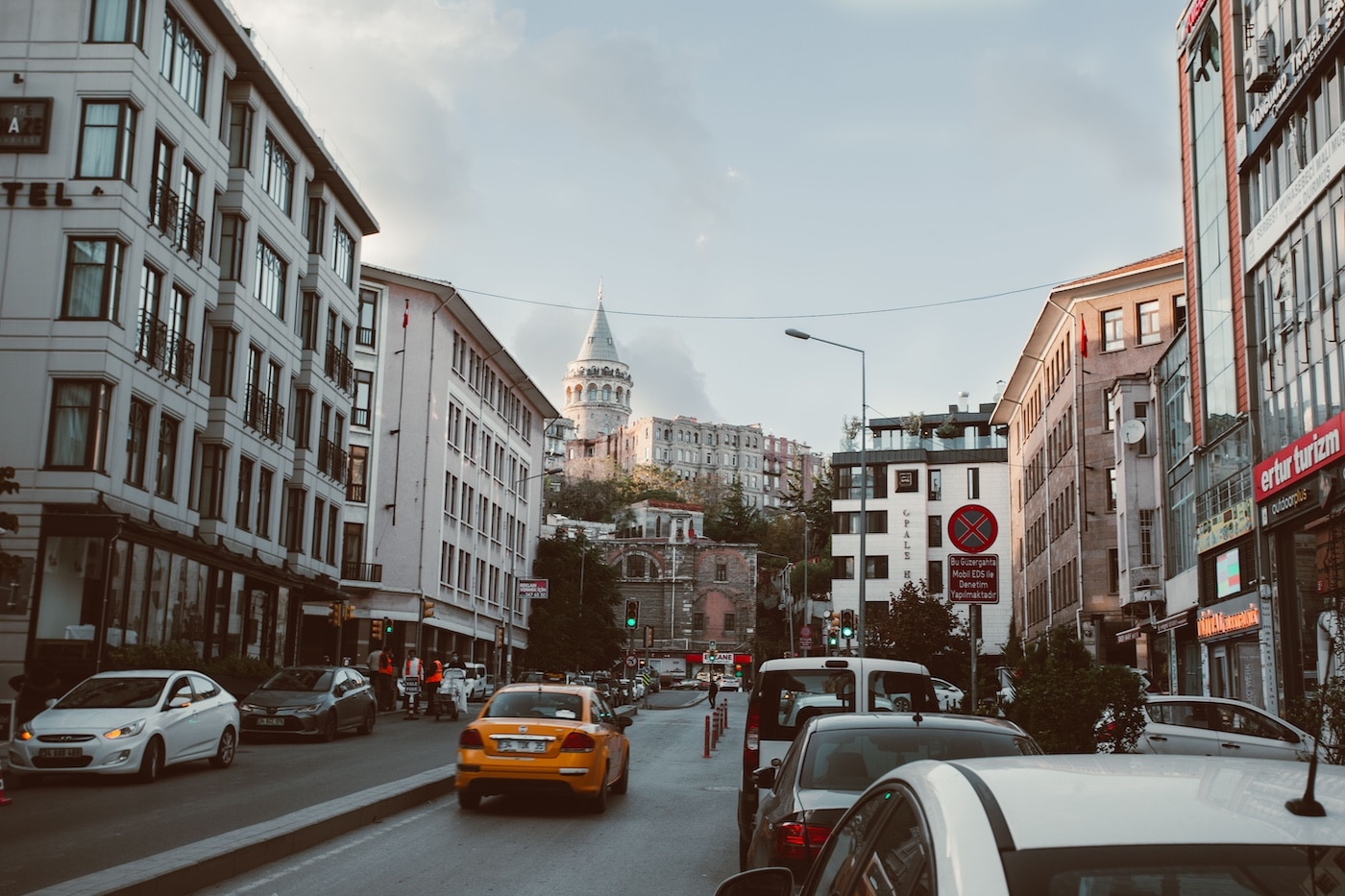
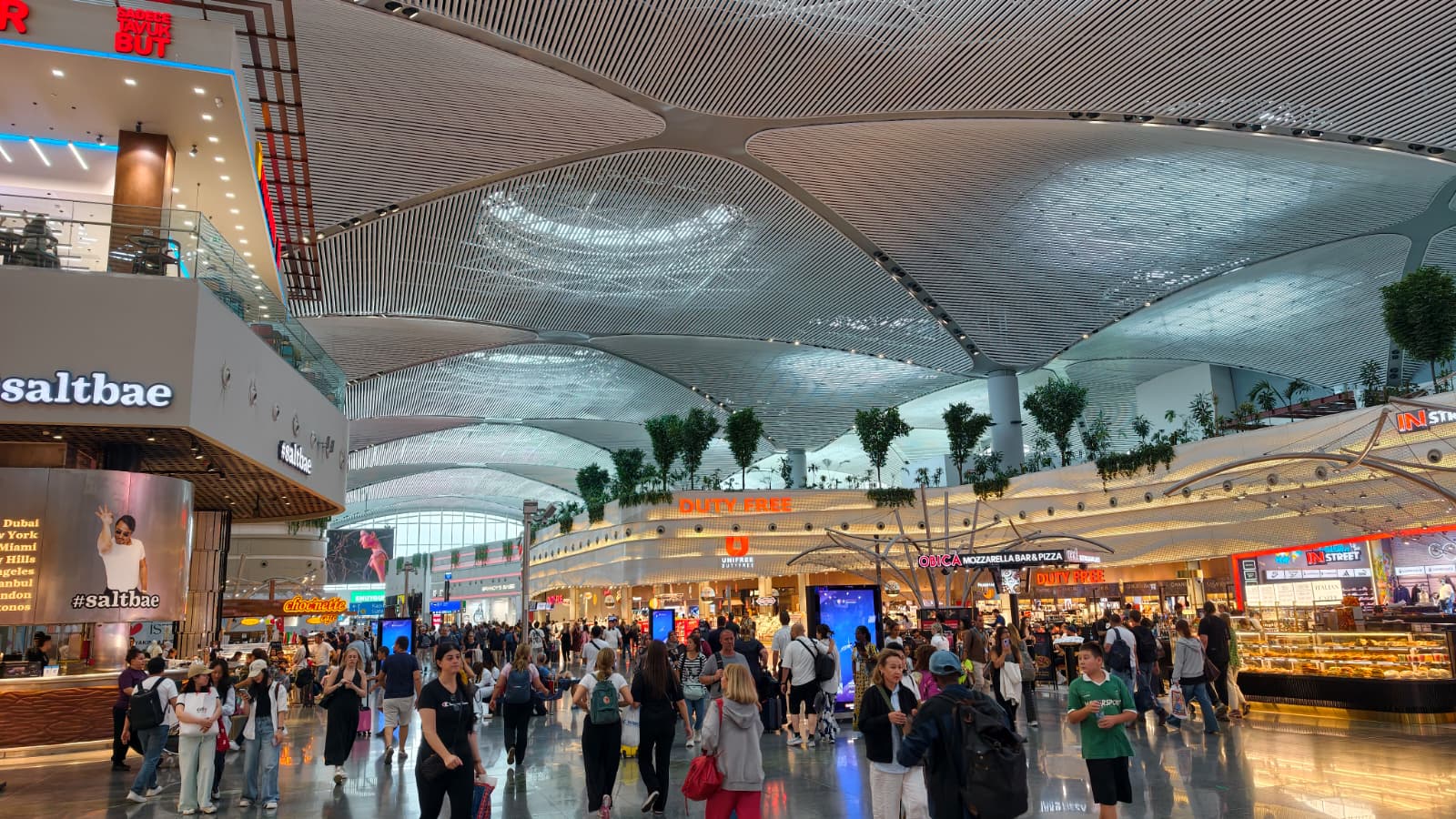
A taxi is one of the easiest options when arriving with children, several suitcases or after a long flight. At Istanbul Airport, use the official taxi queue outside the terminal rather than accepting unsolicited transport offers inside arrivals.
If booking through Uber at Istanbul Airport, the current airport instructions direct passengers towards the taxi queue outside Arrivals at Exit Door 9 or Exit Door 13, where the app provides a PIN to connect the passenger with a taxi.
Istanbul Airport is far from many central districts, so journeys can be expensive. Central destinations such as Taksim, Beşiktaş, Sultanahmet and Kadıköy can involve 40 km or more of road travel. Traffic, route choice and tolls can all alter the final price considerably.
For that reason, treat app estimates as estimates rather than guaranteed final fares unless the service explicitly offers a fixed transfer price.
Sabiha Gökçen Airport also provides 24-hour taxi service. The airport officially lists the distance as around 40 km to Kadıköy and 50 km to Taksim. A taxi to the European side requires crossing the Bosphorus, so tolls and traffic become especially relevant.
For one traveller with light luggage, Metro or airport buses may be much cheaper. For a family arriving late with several bags, a taxi can be worth the extra cost.
Families should know a few additional rules.
Turkish traffic regulations require taxis to carry at least one child restraint system. Children travelling in taxis should use an appropriate child restraint where available. Where there is no suitable child restraint, children must travel in the rear rather than the front passenger seat.
If you regularly live in Istanbul with a baby or toddler, it is sensible to ask about a child seat when booking rather than assuming every taxi will have exactly the type or size you use at home.
Luggage is simpler. Istanbul’s taxi regulations state that luggage within the vehicle’s permitted capacity can be carried and the driver cannot impose a separate baggage charge. You should therefore not be asked for an invented suitcase fee simply because you have luggage.
Large families or people travelling with several full-size cases may prefer a Large Taxi instead of trying to fit everything into a standard vehicle.
Pets are possible too, although planning helps. BiTaksi offers a Pati Taksi option intended for passengers travelling with pets. For ordinary street taxis, it is better to check with the driver first and use a carrier where appropriate.
Most Istanbul taxi journeys are uneventful. The best way to reduce the chance of a problem is to make the journey traceable and understand the basic tariff. A few habits help considerably:
Taxi availability can also be difficult at certain times. Heavy rain, rush hour, Friday evenings and large events can increase demand considerably. If a taxi is impossible to find and a Metro, Marmaray or ferry route is available, public transport may be both quicker and cheaper. In Istanbul, the smartest residents rarely depend entirely on one form of transport.

Istanbul Metropolitan Municipality operates the ALO 153 Çözüm Merkezi for complaints and municipal service issues. A complaint is much easier to investigate when you have evidence. Keep:
App-based journeys have an advantage because much of this information already exists digitally. The city does actively inspect commercial passenger transport. Istanbul’s 2025 municipal activity data recorded 117,970 inspections across taxis, minibuses, service vehicles and private public buses, with more than 41 million TL in administrative penalties imposed for violations. This is another reason to use identifiable, licensed vehicles rather than informal transport offers.
After learning Istanbul’s public transport system, many residents use taxis selectively rather than constantly. A taxi works particularly well when:
The Metro is usually better when the route follows a direct line through heavy traffic. Taking a taxi from Şişli to Levent during rush hour, for example, can make little sense when both sit directly on the M2 Metro. Equally, crossing between Europe and Asia by road at peak time can take far longer than Marmaray or a ferry.
The trick to living in Istanbul is learning when to use each option. For property buyers, this also affects neighbourhood choice. Living within walking distance of Metro, Marmaray or a ferry terminal can reduce the number of taxi journeys you need every week. In other locations, easy road access and reliable taxi availability become more important.

Taxis are one small part of learning how Istanbul works. At first, the scale of the city can make every journey feel complicated. After a few weeks, most residents develop their own routine: Metro for work, ferry for crossing the Bosphorus, taxi for dinner, BiTaksi for a rainy evening, and an airport taxi when travelling with luggage.
For newcomers, the essentials are simple. Use licensed taxis, know the current fare, make sure the meter is running, use an app when possible and understand which additional charges are legitimate.
James and Aysegul help clients with the practical side of moving to Istanbul as well as finding the right property. Where you live affects your commute, school run, airport access and how easily you can move around the city without depending on a car.
If you are planning to buy property or relocate to Istanbul, contact us to discuss neighbourhoods, transport connections and homes that fit the way you actually want to live.
A standard yellow taxi currently starts at 71.94 TL, charges 47.92 TL per kilometre and has a minimum journey fare of 230 TL. Traffic and waiting time can increase the final amount.
Yes. Uber operates in Istanbul by connecting passengers with licensed local taxi drivers. You can request the journey, enter your destination and use available payment options through the Uber app.
No. There is no official separate night taxi tariff in Istanbul. The same regulated tariff applies during the day and at night.
The municipal taxi rules state that drivers must respond to journey requests regardless of distance, traffic or weather and cannot discriminate between passengers.
Yes, legitimate tolls incurred while you are in the taxi are payable in addition to the meter fare. However, the driver cannot charge you for a return bridge, motorway or tunnel journey after you have been dropped off.
Begin your journey with a free consultation.
Get the facts and figures to make informed decisions.
Want to discuss something specific?
Contact us, and we will be happy to help


Randal is a regular contributor to James & Ayşegül’s website and the writer behind The Turkey Diaries. He and his wife moved

Relocating to Bodrum may offer qualifying new residents a way to combine life on Turkey’s Aegean coast with a 20-year Turkish income-tax

Could Turkey’s new 20-year foreign-income exemption apply to your UK private pension? There is a credible argument that it could. Combine...
