Looking to Buy Property or Obtain Turkish Citizenship?
Begin your journey with a free consultation.
Get the facts and figures to make informed decisions.

Döviz Alım Belgesi, often shortened to DAB, is one of the key documents foreign property buyers need to understand before buying real estate in Turkey. It sounds technical, but the idea is simple. A DAB is a Foreign Exchange Purchase Certificate issued by a Turkish bank. It proves that foreign currency connected to a property purchase has been sold through the banking system before the Tapu transfer.
For foreign buyers, this document is not optional in standard real estate purchases. It can affect the Tapu appointment, the declared title deed value, payment records, and Turkish Citizenship by Investment files.
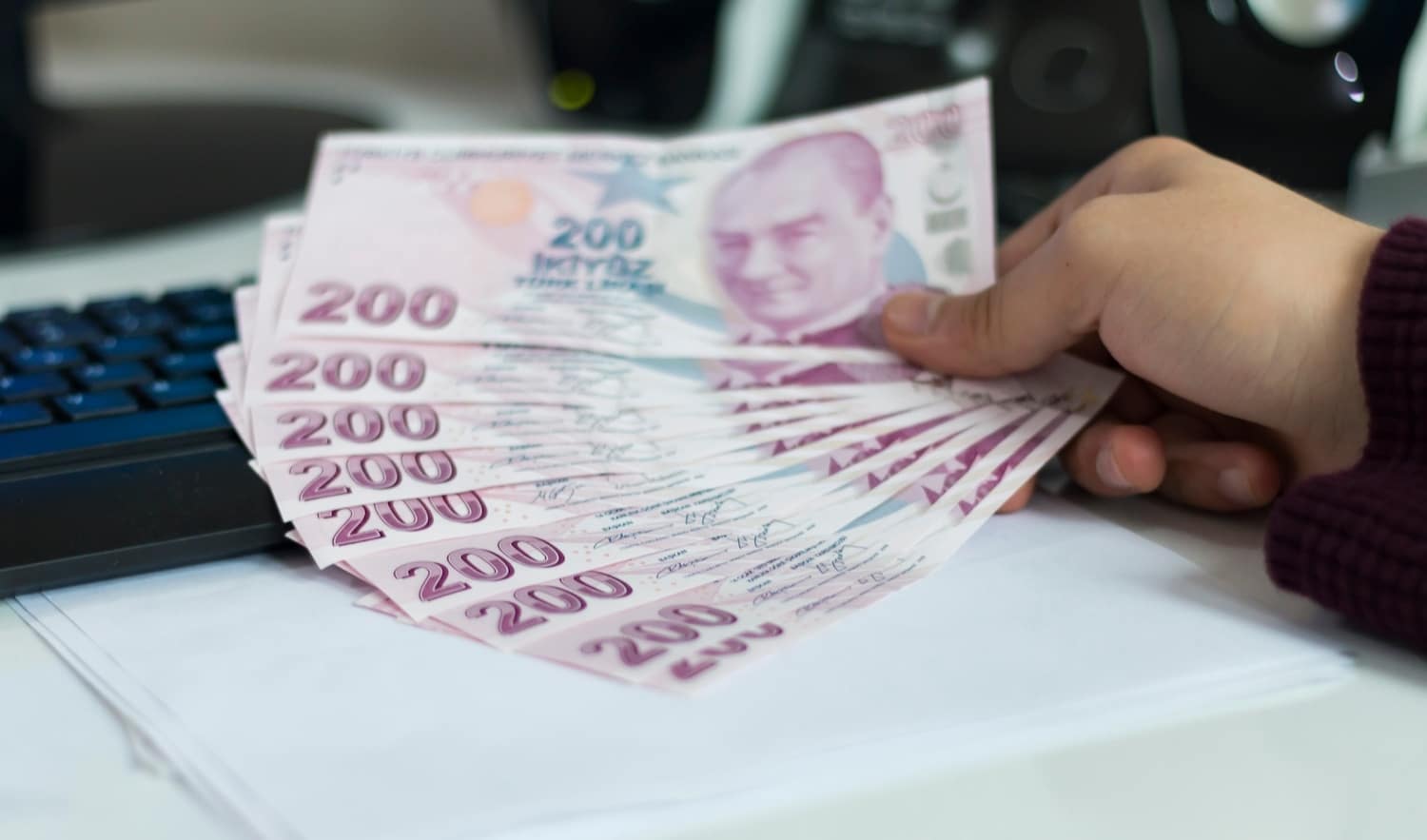
Döviz means foreign currency. Alım belgesi means purchase certificate. In a property transaction, the phrase refers to the bank certificate showing that foreign currency has been bought by the bank and sold onwards under the official Central Bank process.
Since 24 January 2022, foreign individuals buying property in Turkey have generally needed to sell the purchase-related foreign currency through a Turkish bank before the title deed transfer. The bank issues the DAB, and the certificate is submitted to the land registry.
In practical terms, the buyer brings money in foreign currency, the bank converts it under the required process, and the Tapu office relies on the DAB when preparing the official deed value.
The DAB system creates a formal record that foreign currency used in foreign buyer property transactions enters the Turkish banking system.
It gives the land registry a clear value to use, supports the Central Bank foreign exchange process, and creates a paper trail between the buyer, bank, property and sale price.
A DAB is generally required when a foreign natural person buys real estate in Turkey. It can apply to new-build property, resale property, apartments, villas, commercial units, land purchases where legally permitted, citizenship purchases, and purchases completed through a power of attorney.
The requirement is not limited to luxury purchases or citizenship transactions. A foreign buyer purchasing a standard resale apartment can still need a DAB.
The rules are different for inheritance, gifts, company acquisitions and transactions where the buyer is not a foreign natural person. Those cases need separate advice.

The foreign currency sale can be carried out through a bank by the buyer, seller, their authorised representatives, or agents involved in the transaction.
In many cases, the buyer sends foreign currency to a Turkish bank account, and the bank prepares the DAB before the Tapu appointment. If a lawyer or representative is acting under power of attorney, they may coordinate the process.
The certificate must be ready before the title deed transfer. Leaving it until the last moment can delay the Tapu appointment.
The DAB should include the information needed for the land registry to connect the currency sale to the property transaction.
It should include details such as the buyer’s name and surname, passport number or foreign identity number, US dollar equivalent of the foreign currency sold, Turkish Lira amount, a statement that the transaction is carried out under the relevant capital movements rule, and property or transaction details where required.
If the document has incorrect passport details, missing buyer information or an amount that does not match the intended sale value, the transaction may need correction.
The official banking process uses currencies accepted by the Central Bank. US dollars, euros and British pounds are the main currencies named in the rules.
If the buyer pays in another currency, the bank may need to convert it into one of the accepted currencies using the applicable Central Bank cross-rate process before completing the DAB. Buyers should confirm the payment currency with the bank before transferring funds.

The DAB is submitted to the land registry before the Tapu transfer. The Turkish Lira value shown on the DAB is used as the sale value in the official deed process. The land registry does not separately recalculate a currency value for the deed. The DAB value is the reference point.
This can affect the official title deed value, title deed fee calculations, purchase records, citizenship evidence, and future resale or tax records. The amount converted for the DAB should not include estate agency commission, legal fees, furniture, renovation costs or other extras. It should relate to the property sale price.

Imagine a British buyer agrees to buy an apartment in Turkey for $250,000. Before the Tapu transfer, the buyer sends the money through the correct bank route. The bank converts the purchase currency and issues a DAB showing the US dollar equivalent and Turkish Lira value.
The land registry uses the DAB value when preparing the official deed. The buyer completes the Tapu transfer and keeps the certificate with the property file. If the buyer had transferred money casually to the seller without arranging the DAB, the title deed transfer could be delayed until the foreign exchange certificate problem is corrected.

Now imagine a buyer wants Turkish citizenship and agrees to buy a property for $405,000. The buyer assumes the price is enough because it is above the $400,000 citizenship threshold. But the DAB is issued for only $390,000 because part of the payment was treated as furniture, commission or a side payment.
For citizenship, the land registry checks the DAB, official deed or preliminary sales contract, bank receipts, and TTB value. If the accepted values do not each support the required threshold, the citizenship file can fail or require another qualifying purchase.
For citizenship, it is not enough to pay the seller. The official payment record must support the application. A buyer should be especially careful if the property price is close to $400,000. Exchange-rate timing, bank records, valuation evidence, extras and deductions can all reduce the amount accepted for the file.

A bank receipt proves money moved. A DAB proves that foreign currency was sold through the official process for the property transaction. Both may be needed, especially for citizenship. A buyer may have a bank transfer receipt showing $400,000 sent to Turkey. That does not automatically mean there is a valid DAB for $400,000.
The most common mistakes are easy to avoid. Buyers should be careful not to transfer money before checking the route, use unclear third-party payment arrangements, include commission or furniture in the DAB amount, accept incorrect passport details, leave the DAB until completion day, assume a bank receipt replaces the certificate, or rely on a citizenship purchase priced too close to $400,000.
A clean DAB file can make future questions easier, especially for resale, tax review, citizenship, residence or proof of funds. Before transferring funds, buyers should ask:
At James & Aysegul, we help international clients understand the practical side of buying real estate in Turkey, including the documents that can affect completion. With the right preparation, the DAB becomes a straightforward part of the process rather than a last-minute obstacle.

A Döviz Alım Belgesi is a Foreign Exchange Purchase Certificate issued by a Turkish bank for a foreign buyer’s property purchase.
Yes, it is generally required when a foreign natural person buys real estate in Turkey by purchase.
A Turkish bank issues the DAB after the required foreign currency sale process is completed.
For standard foreign buyer purchases, the land registry normally requires the DAB before title deed transfer.
Yes. For citizenship purchases, the DAB is reviewed with the deed value, payment receipts and TTB.
The property may not support the citizenship threshold unless another qualifying property or corrected structure brings the accepted investment amount to the required level.
Begin your journey with a free consultation.
Get the facts and figures to make informed decisions.
Want to discuss something specific?
Contact us, and we will be happy to help


Randal is a regular contributor to James & Ayşegül’s website and the writer behind The Turkey Diaries. He and his wife moved

Relocating to Bodrum may offer qualifying new residents a way to combine life on Turkey’s Aegean coast with a 20-year Turkish income-tax

Could Turkey’s new 20-year foreign-income exemption apply to your UK private pension? There is a credible argument that it could. Combine...
