Looking to Buy Property or Obtain Turkish Citizenship?
Begin your journey with a free consultation.
Get the facts and figures to make informed decisions.

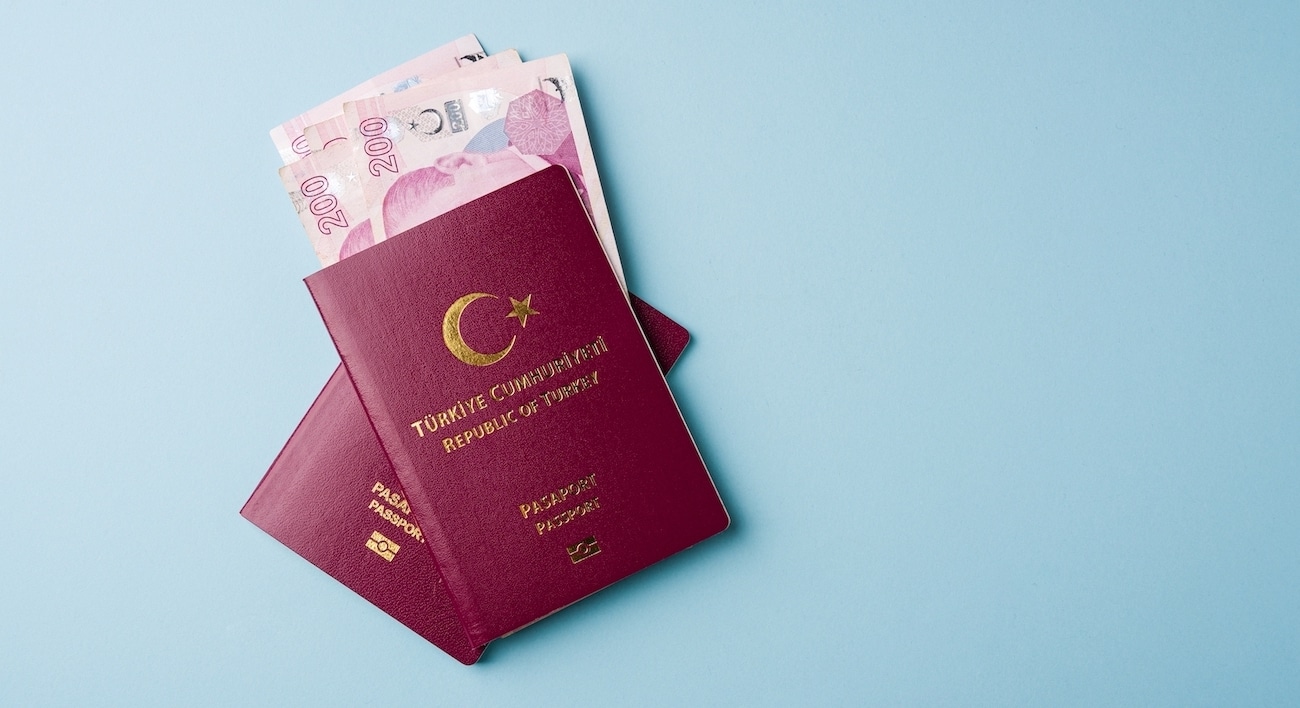
TTB stands for Tutar Tespit Belgesi. In Turkish property transactions, it is the Price Determination Certificate used for real estate-based Turkish citizenship applications.
For many international buyers, the TTB is unfamiliar because it is not a normal sales document, not a title deed, not a bank receipt, and not the same as the price agreed with the seller. It shows the property investment amount that can be accepted for Turkish Citizenship by Investment.
A citizenship purchase is not judged only by the asking price. The land registry checks several values, including the official deed value, the sale promise value where relevant, bank payment receipts, the Foreign Exchange Purchase Certificate, and the TTB.
If those records do not support the required threshold, the citizenship file can run into problems even if the buyer believed they paid enough.
Turkish Citizenship by Investment through real estate currently requires qualifying property worth at least $400,000, with a three-year no-sale annotation placed on the title deed record.
The TTB confirms the investment amount that can be accepted for citizenship purposes. This is different from an estate agent’s valuation, developer price list, bank transfer, or private agreement. Those records may support the file, but the TTB is the formal valuation-based certificate used inside the land registry process.
In 2025, 1,688,910 homes were sold nationwide. Foreign buyers purchased 21,534 homes, equal to 1.3% of total residential sales. Turkey’s land registry system also records more than 59.7 million parcels, 25.7 million independent sections and over 333,000 foreign ownership records.
The TTB shows the accepted investment amount for the relevant real estate in a citizenship transaction. It is created as an attachment to the official valuation process and sent digitally through the correct systems. A physical TTB handed in by the buyer or seller is not accepted. The land registry uses it to check whether the property amount meets the legal requirement before later citizenship checks continue.
The TTB process is digital. A valuation request for citizenship is made through the WebTapu or TADEBİS system. TADEBİS is the real estate valuation information system. TAKBİS is the land registry and cadastre information system used in the official title deed process.
In a citizenship purchase, the TTB is sent into TAKBİS/WebTapu through the designated route. This digital transfer reduces reliance on paper documents. Buyers should not rely on a PDF or informal copy unless the document has been properly sent through the required system.
No. This is a common misunderstanding. Ordinary foreign property purchases do not generally require an appraisal report simply because the buyer is foreign. That general requirement was removed.
TTB becomes relevant when the purchase is connected to Turkish citizenship through real estate. A foreign buyer purchasing a holiday apartment, family villa or rental property with no citizenship plan may not need a TTB. A buyer using the property to apply for citizenship usually will.
There are also listed exemptions from TTB confirmation for certain transactions involving public institutions and real estate investment partnerships, although the General Directorate can still request a TTB in some exempted cases.

The required amount is $400,000 or equivalent. For the land registry check, the relevant values must separately support the required amount. These include the official deed value, sale promise value where applicable, total payment receipts, and the amount confirmed by TTB.
A buyer should not treat one strong document as enough. A bank receipt above $400,000 does not fix a TTB below $400,000. A high advertised price does not fix a lower official deed value. The safest file is one where all key values align clearly above the threshold.
The TTB cannot be treated as open-ended. For citizenship-related transactions, the period between the TTB and the relevant application should not exceed six months. If this period passes, the valuation report forming the basis of the certificate must be renewed.
This can affect buyers who reserve early, delay completion, change payment dates, or wait too long between valuation and transfer. The practical advice is simple: order the TTB at the right time, not too late and not so early that it expires before the citizenship step is ready.
Imagine a buyer agrees to purchase a property in Bodrum for $420,000. The seller, contract and payment plan all refer to $420,000. The buyer believes the citizenship threshold is safely covered. The TTB then confirms only $392,000 as the accepted investment amount.
This creates a serious problem. Even though the buyer planned to pay more than $400,000, the accepted TTB amount does not reach the citizenship threshold. The buyer may need to renegotiate, choose a different property, add another qualifying property, or stop before completion.

A second buyer agrees to purchase two apartments in Istanbul for a total of $465,000. The TTB confirms $438,000. The bank receipts, DAB and official deed values also support an amount above $400,000.
This file is cleaner because the buyer is not relying on a borderline valuation. A buffer does not guarantee approval, but it reduces one of the main valuation risks.

TTB and DAB are often mentioned together, but they do different jobs. DAB, or Döviz Alım Belgesi, proves that foreign currency was sold through the Turkish banking system for the property purchase. TTB confirms the accepted investment amount for citizenship purposes.
A buyer may have a valid DAB and still have a weak TTB. A buyer may have a strong TTB but still need correct bank receipts. For citizenship, the documents need to work together without inconsistencies.
The TTB does not replace the Tapu. It also does not decide the title deed transfer tax by itself. TKGM states that an amount identified in the TTB is not binding for title deed fee purposes under the current legislation.
The TTB has a specific role. It confirms the accepted citizenship investment amount. It is not a general tax valuation for every purpose.

The most common problems include ordering the wrong valuation type, leaving the TTB until the last stage, choosing property too close to $400,000, assuming the seller’s price will be accepted, ignoring title issues, using payment records that do not align, and confusing the TTB with a general appraisal.
Other risks include buying shared property, using a sale promise contract incorrectly, paying part of the price outside the documented route, or forgetting that the TTB may need renewal after six months.
Before paying a reservation deposit on a citizenship property, ask:
For foreign buyers, TTB is not something to fear. It is a checkpoint that helps show whether a Turkish property can support the citizenship route. The risk comes from treating it as a formality.
A strong citizenship purchase should start with the property’s legal position, realistic market value, documented payment route, and the buyer’s long-term plans. The property should be worth owning after the citizenship file is complete.
At James & Aysegul, we help clients understand the property side of Turkish Citizenship by Investment. That includes checking suitability, coordinating with lawyers and transaction professionals, and helping clients avoid purchases that look acceptable on price but weak on paperwork.
For anyone buying Turkish real estate for citizenship, the aim is clear: choose a suitable property, document every payment correctly, obtain the right TTB through the correct system, and make sure every official value supports the application before completion.
TTB stands for Tutar Tespit Belgesi. It is the Price Determination Certificate used for real estate-based Turkish citizenship applications.
No. Ordinary foreign purchases do not generally require TTB. It is mainly relevant when buying property for Turkish citizenship.
For current real estate citizenship applications, the TTB should support the required investment threshold of at least $400,000.
No. Bank receipts are important, but the TTB, DAB, deed value and other documents must also support the required amount.
The time between the TTB and the citizenship-related transaction application should not exceed six months. Older valuation reports may need renewal.
The application may be rejected or require another solution, such as adding another qualifying property or choosing a different property.
No. DAB proves foreign currency conversion through the banking system. TTB confirms the accepted investment amount for citizenship purposes.
Begin your journey with a free consultation.
Get the facts and figures to make informed decisions.
Want to discuss something specific?
Contact us, and we will be happy to help


Randal is a regular contributor to James & Ayşegül’s website and the writer behind The Turkey Diaries. He and his wife moved

Relocating to Bodrum may offer qualifying new residents a way to combine life on Turkey’s Aegean coast with a 20-year Turkish income-tax

Could Turkey’s new 20-year foreign-income exemption apply to your UK private pension? There is a credible argument that it could. Combine...
