Looking to Buy Property or Obtain Turkish Citizenship?
Begin your journey with a free consultation.
Get the facts and figures to make informed decisions.

I am often asked why I left England to build my life in Turkey. The expected answers are the glorious weather, the coastal lifestyle and, perhaps, the cost of living. While all of those qualities certainly make life here extraordinarily enjoyable, they are not the only reasons I chose to stay.
The overriding reason was something much deeper. It was the people.

When people dream about moving abroad, they often focus on practical considerations such as house prices, healthcare, taxation, schools, climate and the overall cost of living. These are all important factors, and they come up in conversations we have every day with clients considering a move to Turkey.
After many years of living here and helping hundreds of international buyers, I have noticed something fascinating. The reasons people initially choose Turkey are often very different from the reasons they eventually decide to stay.
They might arrive because they fell in love with Bodrum’s beautiful coastline, Istanbul’s rich history or the opportunity to own a home overlooking the Aegean Sea. Those attractions are compelling and certainly play an important role. However, once people have spent time living here, another reason almost always begins to emerge, they start talking about the people.
They describe neighbours who genuinely care about one another, local shopkeepers who remember their names, friends who gradually become like family and a culture that appears to place human relationships above almost everything else. They begin to realise that while the lifestyle may have attracted them to Turkey, it is the culture that makes them feel at home. That is exactly what happened to me.
Having spent the first thirty-six years of my life in England before moving permanently to Bodrum, I expected to enjoy a better climate and a more relaxed pace of life. What I did not expect was how profoundly living in Turkey would change the way I thought about community, friendship and belonging.
The longer I lived here, the more I realised that Turkey was not simply offering me a different location. It was offering me a different way of living.

One of the biggest differences between Turkey and many Western countries is something tourists may not fully appreciate during a two-week holiday: the way society itself is organised.
Social scientists often describe Turkey as having a strong collectivist culture, or what is sometimes called a culture of relatedness. Although those phrases sound rather academic, the idea behind them is remarkably simple. In Turkey, people generally see themselves not only as individuals, but also as members of families, neighbourhoods, friendship circles and wider communities. Personal identity is closely connected to the people around you. This has shaped Turkish society for generations.
Family is not merely an important part of life; for many people, it is the foundation upon which life is built. Grandparents often remain actively involved in raising children, cousins maintain lifelong relationships and several generations frequently remain closely connected throughout adulthood.
Friendships are rarely viewed as temporary or disposable. Neighbours can become part of an extended support network rather than simply the people living next door. People check on one another, share food, offer practical help and take a genuine interest in what is happening in each other’s lives.
Once you begin to understand this, many aspects of Turkish life become easier to appreciate. Hospitality is not simply good manners, generosity is not merely politeness, and looking after one another is not considered extraordinary. These things are fundamental to the culture.
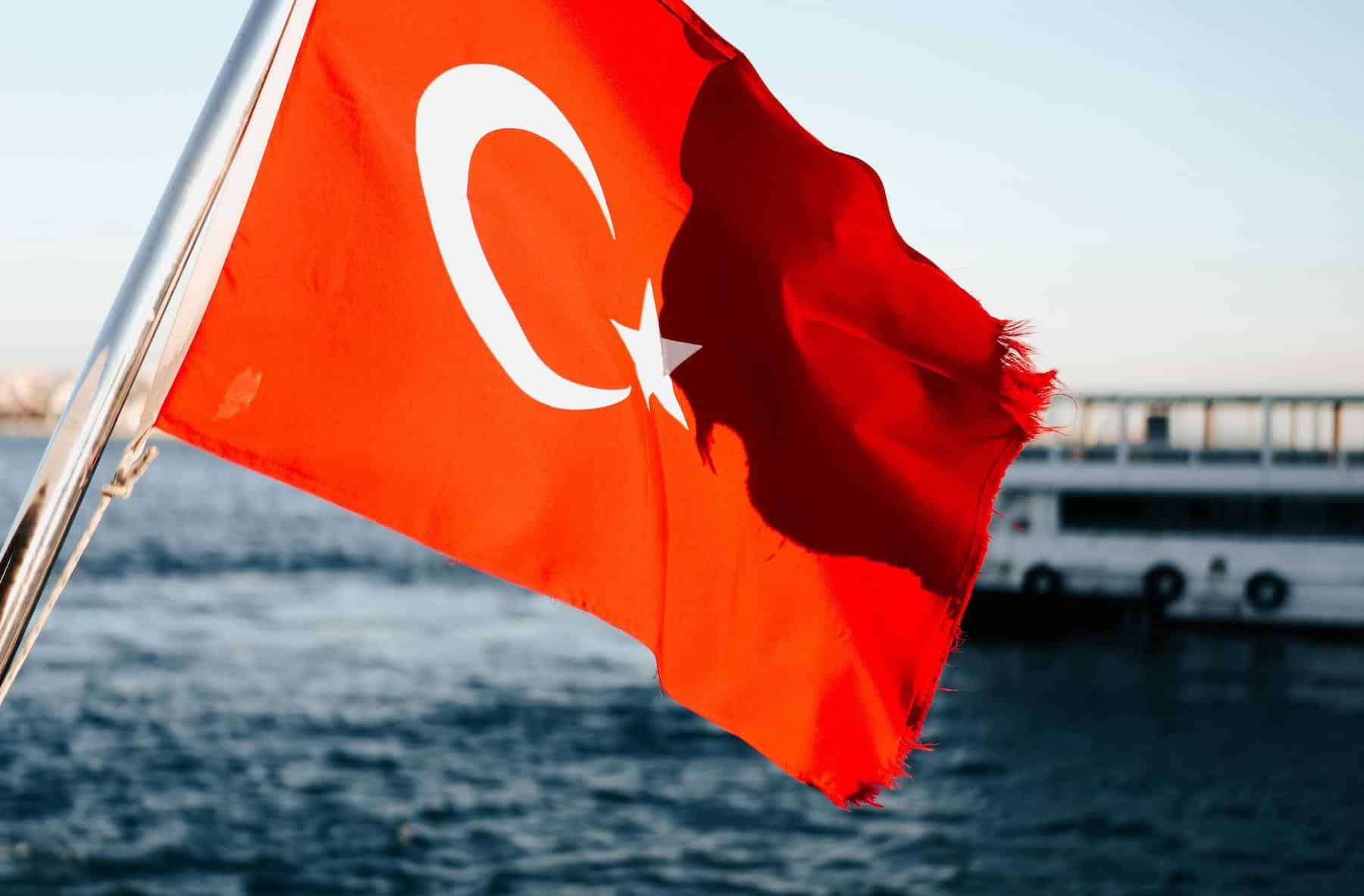
Perhaps one of the greatest differences between Turkey and many modern Western democracies lies in where people traditionally place their trust.
Across much of Western Europe, North America and other liberal democracies, trust has generally been invested in institutions. The expectation is that laws, courts, public bodies and official procedures should operate fairly regardless of who you are or who you know. Ideally, the system itself provides confidence that everyone will receive consistent and equal treatment.
Turkey has historically developed along a somewhat different path.
For generations, people have often placed greater trust in individuals than in institutions. Family members, respected community figures and trusted personal relationships have frequently provided certainty during periods when official systems may have appeared distant, complicated or unpredictable. Rather than depending solely on formal procedures, people naturally turned towards those they knew and trusted.
This does not mean that Turkish society rejects rules or institutions. It reflects a long tradition in which personal relationships have been viewed as an equally important source of security, guidance and support.
Understanding this difference explains far more about Turkish culture than many outsiders realise. It helps explain why friendships can form so quickly, why loyalty carries such importance and why people are prepared to invest considerable time in building genuine personal relationships.

Two Turkish words illustrate this relationship-based culture particularly well.
The first is hemşehrilik, which refers to the connection between people who share the same town, village or province. While the literal translation is relatively straightforward, the cultural meaning runs much deeper.
Sharing the same roots can create an immediate sense of familiarity and mutual responsibility. It is not unusual for complete strangers to discover that they come from the same region and immediately begin speaking as though they have known one another for years. A shared hometown is not simply a geographical coincidence; it can represent a common identity, shared memories and an instinctive feeling of connection.
The second word is torpil, which is often translated into English as “pulling strings” or “using connections.” However, like many cultural concepts, the direct translation can oversimplify what it represents.
To someone unfamiliar with Turkish society, torpil may appear to be little more than favouritism. Yet within its broader cultural context, it reflects something more complex. Relationships have traditionally been one of the ways people navigate everyday life. Knowing someone who can offer advice, make an introduction or help solve a problem has long been considered part of maintaining a strong social network.
That does not mean every use of personal influence should be accepted without question. Like every society, Turkey continues to debate where personal loyalty should end and fairness, transparency and merit should begin.
As the country continues to modernise, there is an ongoing conversation about how to combine these deeply rooted traditions with increasingly transparent, efficient and merit-based institutions. Many people believe Turkey’s future lies not in abandoning its culture of relationships, but in preserving its warmth and humanity while continuing to strengthen its public institutions.
I believe that is a healthy and necessary conversation because it recognises an important truth: a society does not have to choose between strong institutions and strong communities. The very best societies should aspire to have both.

Living in Turkey has changed the way I think about success, happiness and what creates a fulfilling life. Before moving here, I measured success in much the same way as many people do in the West. Career progression, financial security and personal achievement naturally occupied much of my attention.
Those things remain important, but I have gradually realised that they represent only part of the picture. Turkey reminded me that there is another measure of success that is much harder to quantify: the strength of the relationships we build throughout our lives.
A society can possess modern infrastructure, efficient public services and a strong economy, yet still leave people feeling isolated. Equally, a society can face its own challenges while maintaining something that many people quietly long for — a genuine sense of belonging.
One of the things I admire most about Turkish culture is that it continues to place enormous value on family, friendship and community. Grandparents remain actively involved in family life, neighbours still stop to speak in the street, and sharing a meal is rarely just about eating. It is about conversation, connection and spending meaningful time together.
These traditions may appear ordinary to many Turkish people because they have grown up with them. To many foreigners, however, they feel remarkably refreshing. Perhaps that is because they remind us of something we already knew but had somehow forgotten: human beings thrive when they feel supported, valued and part of a nurturing community.
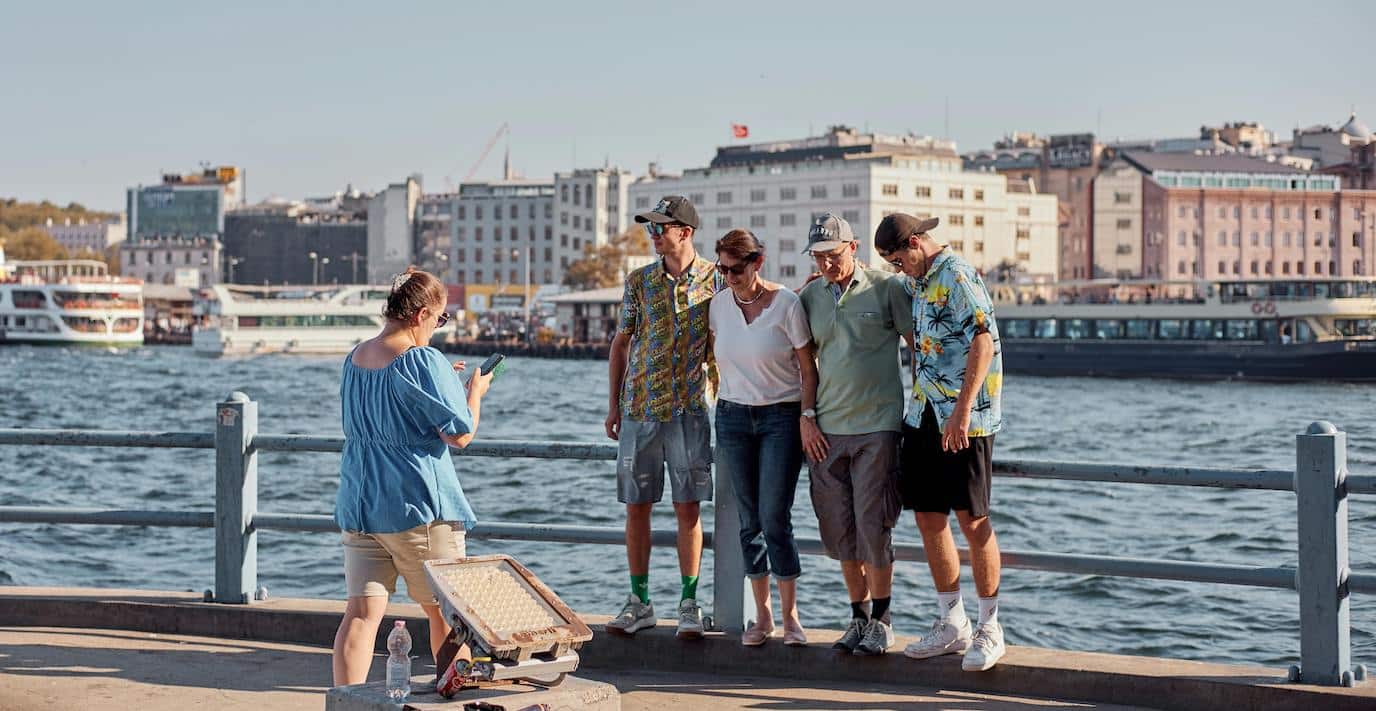
Having lived in both Britain and Turkey, I do not believe that either society has all the answers.
Western democracies have built institutions that strive to provide consistency, accountability and equal treatment before the law. Those achievements have transformed millions of lives and remain essential to any successful country. Fair institutions encourage investment, reward innovation and give people confidence that opportunities should be based on ability rather than background or personal connections.
Turkey, on the other hand, has preserved something that many visitors immediately notice but struggle to describe. It has retained a culture in which relationships remain central to everyday life, loyalty is valued, hospitality feels genuine and people often define themselves not merely as individuals, but as members of families and communities.
The future does not need to involve a choice between these two approaches. In fact, I believe the strongest societies are likely to be those that successfully combine the best qualities of both.
Strong institutions create confidence that people will be treated fairly. Strong communities ensure that people do not lose the sense of belonging that makes life meaningful.
As Turkey continues to modernise, many people hope the country can continue strengthening its institutions while preserving the warmth, generosity and human connection that have defined its culture for generations. Those goals are not mutually exclusive. If anything, they complement one another. For me, that is one of the most exciting aspects of Turkey’s future.
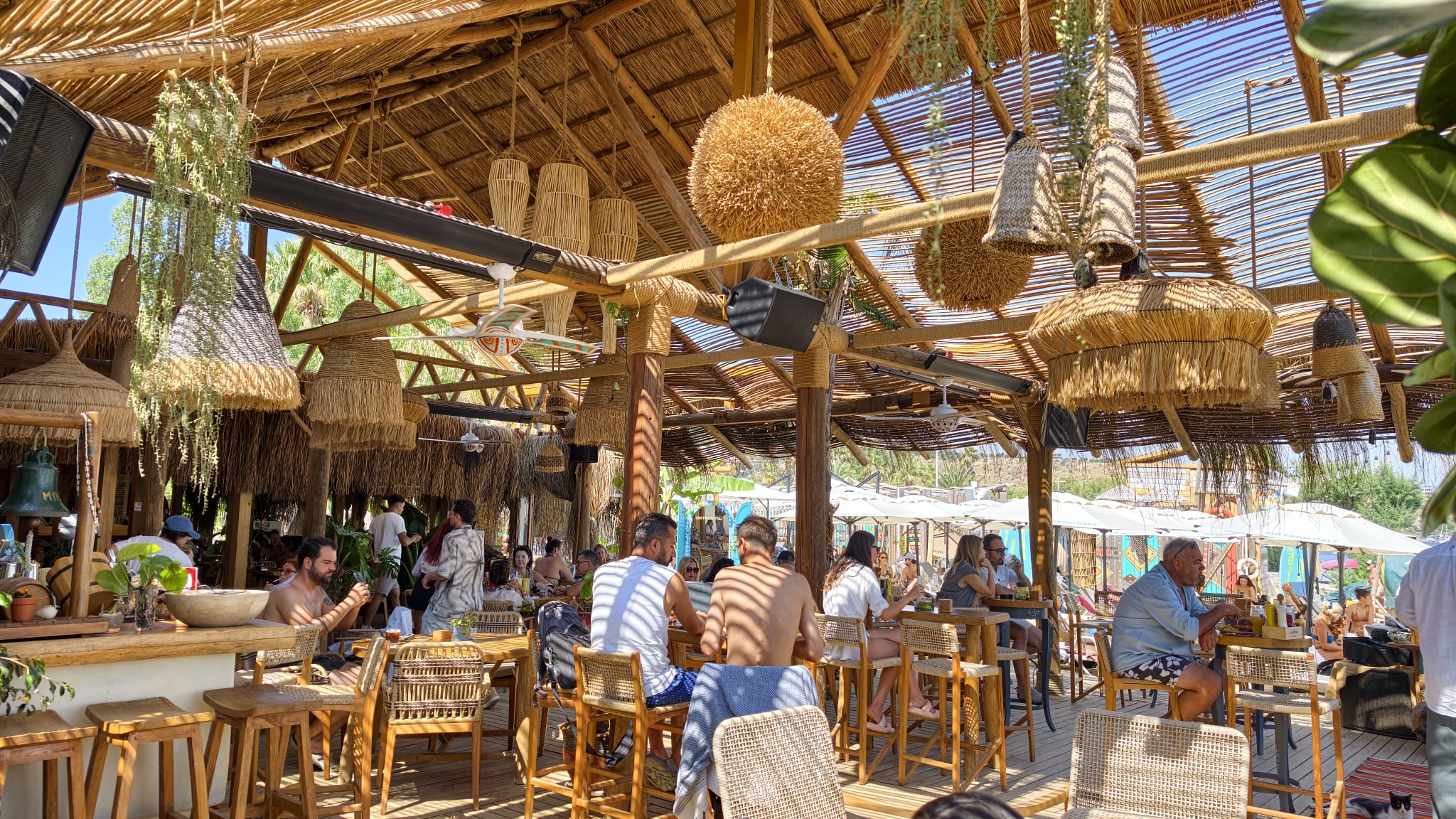
People still ask me why I chose to leave England and build my life in Bodrum. The honest answer has never changed.
I did not move because I disliked Britain, nor because I believed Turkey was perfect. Every country has strengths, weaknesses and its own unique challenges. Living abroad quickly teaches you that no place has all the answers.
What I found in Turkey, however, was a culture that felt more closely aligned with the life I wanted to live. I wanted to live somewhere that still valued family, where neighbours knew one another, where friendships were built over years and where kindness was so deeply embedded in the culture that you encountered it in everyday life. I wanted to live somewhere that still believed relationships were worth investing in.
That is what Turkey gave me. After many years here, I can honestly say that I have not simply changed my geographical residence. I have changed my perspective on life.
Judging by the conversations we have every week with our clients, many of them discover something similar. They arrive believing they are buying a property abroad, only to realise that they are gradually becoming part of a community.
The lifestyle may bring them to Turkey, but the people are what make Turkey feel like home. For me, that is perhaps the greatest compliment any country can receive.

At James & Aysegul, we have always believed that buying a home is about far more than bricks and mortar. A property can be beautifully designed and perfectly located, but if you never feel at home in the community around it, something will always be missing.
That is why we spend so much time talking to our clients about lifestyle, culture and the realities of living in Turkey rather than simply showing them properties. We believe that choosing where to live is one of the most important decisions a person can make, and it deserves far more than a conventional sales presentation.
Our role is not only to help someone find an attractive property. It is to understand what kind of life they hope to create and to guide them towards the locations, communities and homes that will genuinely support that vision.
That guidance continues after the sale. Moving to another country involves understanding a new culture, forming new relationships and gradually finding your place within a new community. Helping our clients through that process is one of the most rewarding parts of what we do.
Over the years, we have watched clients arrive in Turkey searching for sunshine, sea views, investment opportunities or a better quality of life. Many found all of those things. Yet the stories they tell us years later are rarely only about the property they purchased.
They talk about the neighbours who became friends, the shopkeepers who know them by name, the meals shared with people they once considered strangers and the sense of belonging they never expected to find.
Some people will come to Turkey for the sunshine. Others will come for the investment opportunities, the history or the natural beauty. Those are all compelling reasons. But if you stay long enough, you may discover what I did.
The greatest luxury Turkey offers is not its coastline, its climate or its cuisine. It is the opportunity to become part of a society that still believes people matter. In the end, that is what made me stay. It is a country where, more often than not, relationships still come before rules.
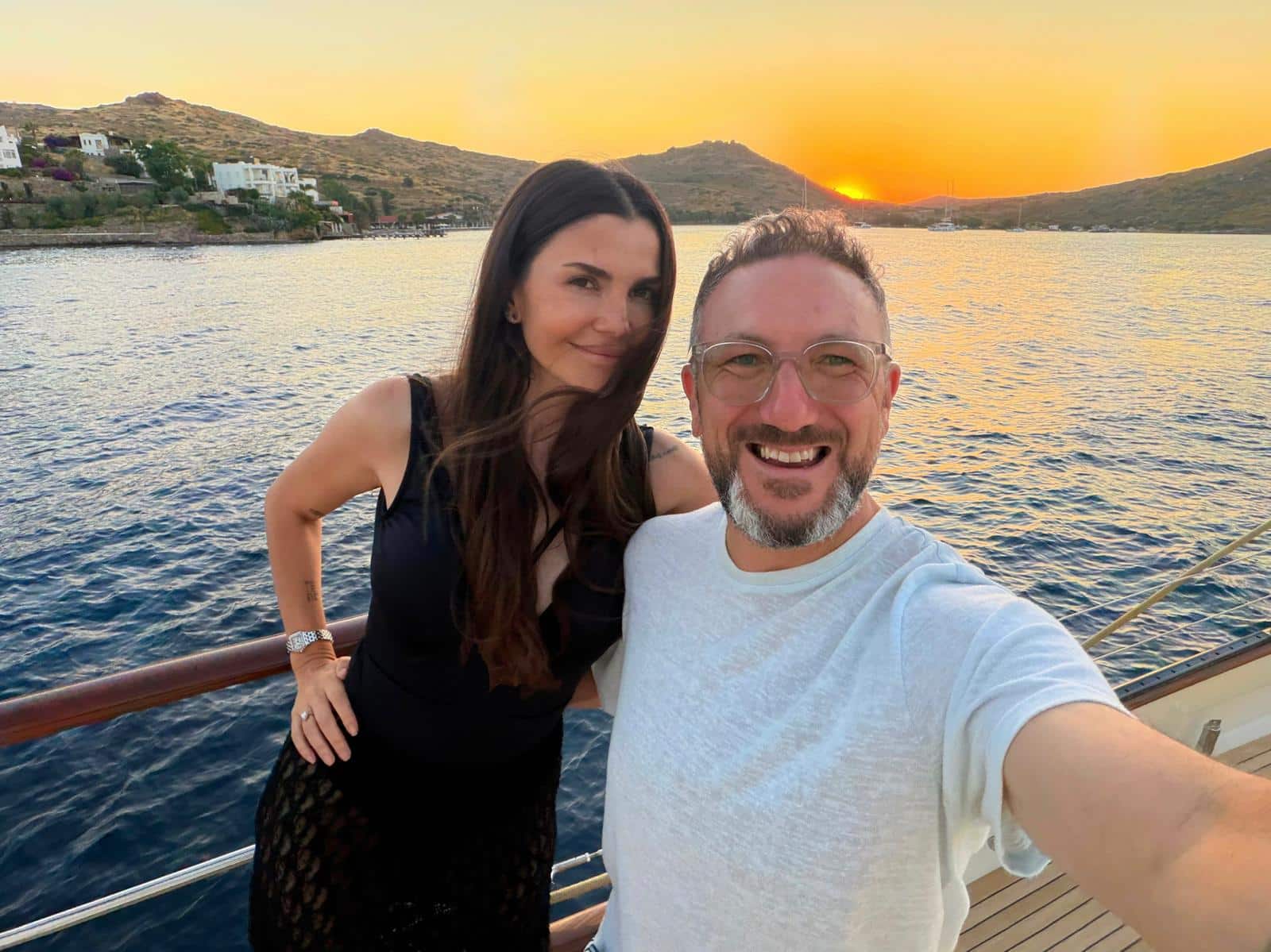
The climate, coastline, property market and cost of living attract many people initially. However, those who remain in Turkey frequently speak about the culture, the warmth of the people and the importance placed on family, community and everyday human relationships.
Collectivism describes a culture in which people tend to see themselves as part of wider groups such as families, neighbourhoods and communities rather than purely as isolated individuals. This influences family life, friendships, business relationships and everyday social interaction.
Hemşehrilik refers to the bond between people who share the same hometown, village, province or region. It reflects a tradition of familiarity, mutual trust and support that remains an important part of Turkish social life.
Torpil refers to using personal relationships or trusted connections to help access an opportunity, receive advice or navigate bureaucracy. It can sometimes involve favouritism, but understanding the concept also requires appreciating the wider importance that Turkish culture has traditionally placed on relationships, loyalty and personal networks.
Yes. Family occupies a central place in everyday Turkish life, with several generations often remaining closely connected and actively supporting one another throughout different stages of life.
Hospitality is deeply embedded in Turkish culture. Many visitors discover that warmth, generosity and everyday kindness extend well beyond the tourism industry and form a genuine part of ordinary life.
Turkey continues to modernise through investment in infrastructure, technology, education, transport and business. At the same time, the country is attempting to preserve many of the cultural traditions and close community relationships that have shaped Turkish society for generations.
Absolutely. Learning some Turkish, participating in local life and approaching people with genuine respect and openness can lead to meaningful friendships and a strong sense of belonging.
Not at all. Property may be the reason many people initially consider Turkey, but those who relocate often discover that the lifestyle, friendships and sense of community become equally important reasons for staying.
Living in Turkey has reminded me that success is about more than financial achievement or professional progress. Family, friendship, belonging and feeling connected to the people around us are equally important. For me, that has been the greatest lesson of building my life here.
Begin your journey with a free consultation.
Get the facts and figures to make informed decisions.
Want to discuss something specific?
Contact us, and we will be happy to help


Randal is a regular contributor to James & Ayşegül’s website and the writer behind The Turkey Diaries. He and his wife moved

Relocating to Bodrum may offer qualifying new residents a way to combine life on Turkey’s Aegean coast with a 20-year Turkish income-tax

Could Turkey’s new 20-year foreign-income exemption apply to your UK private pension? There is a credible argument that it could. Combine...
