Looking to Buy Property or Obtain Turkish Citizenship?
Begin your journey with a free consultation.
Get the facts and figures to make informed decisions.


Turkish Airlines is more than an airline. It is one of Turkey’s most visible international brands, one of the strongest reasons Istanbul has become a global aviation hub, and often the first part of Turkey that visitors experience.
For property buyers, investors, families and people relocating to Turkey, Turkish Airlines is not just useful for holidays. It affects access, confidence and daily practicality. A country with a strong national airline is easier to visit, easier to invest in, easier to explore and easier to stay connected to after you buy a home.
This is why Turkish Airlines deserves a closer look. Its story says a lot about modern Turkey: ambitious, well connected, service-led and positioned between Europe, Asia, the Middle East and Africa.
Turkish Airlines began on 20 May 1933 as the State Airlines Administration, with five aircraft and fewer than 30 employees. It was a small national project at the time, but it carried a much bigger idea: Turkey needed its own aviation network if it wanted to connect its cities, trade routes and people to the wider world.
The airline’s first international flight took place in 1947, from Istanbul to Athens. By 1951, the fleet had grown to 33 aircraft, and the route network had expanded to include Nicosia, Beirut and Cairo.
The company adopted the Turkish Airlines name in the 1950s and gradually became one of the symbols of the modern republic. It later moved through public offering stages, joined Star Alliance in 2008, and used Istanbul’s geography to turn itself from a regional flag carrier into one of the world’s most connected airlines.
That is the remarkable part of the story. Turkish Airlines did not grow because Turkey is a huge domestic aviation market alone. It grew because Istanbul is one of the few cities on earth that can naturally link so many regions through one hub.

Turkish Airlines is known for one claim above all others: it flies to more countries than any other airline.
At the end of 2025, the company reported 356 destinations, up from 352 a year earlier. Current data lists Turkish Airlines as connecting 358 destinations in 133 countries. The exact live network changes as seasonal routes, new launches and operational adjustments are added, but the message is clear. Turkish Airlines is one of the widest-reaching carriers in global aviation.
The airline serves domestic Turkish cities such as Istanbul, Ankara, İzmir, Antalya, Bodrum, Dalaman, Trabzon, Gaziantep and Kayseri. Internationally, it links Istanbul with Europe, the Gulf, Central Asia, North Africa, Sub-Saharan Africa, East Asia and the Americas.
For North American buyers, the network is especially useful. Turkish Airlines currently lists direct flights to 14 US cities, including New York, Newark, Los Angeles, Chicago, Miami, Houston, Dallas, Seattle, Boston, San Francisco, Washington D.C., Atlanta, Denver and Detroit.
For lifestyle buyers in Bodrum or Istanbul, that reach is practical. A US, UK, Gulf or European client can often reach Turkey through Istanbul, then continue to the coast or another city with a domestic connection.
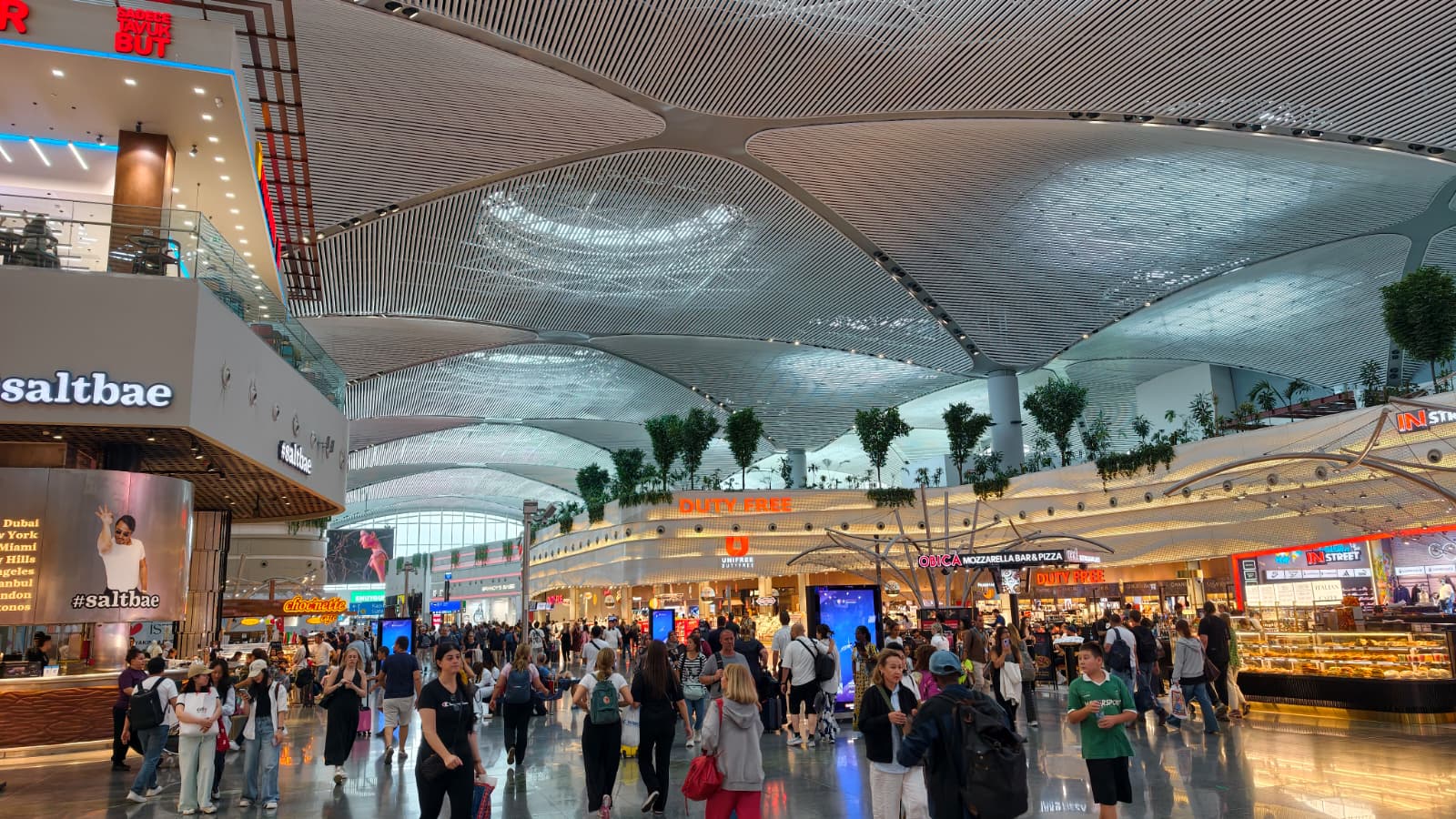
| Category | Recent figure |
|---|---|
| Founded | 1933 |
| First international flight | 1947, Istanbul to Athens |
| 2025 passengers carried | 92.6 million |
| 2025 passenger load factor | 83.2% |
| 2025 total destinations | 356 |
| 2025 fleet | 516 aircraft |
| 2025 cargo and mail carried | 2.17 million tons |
| 2025 total revenue | 24.1 billion USD |
| Istanbul Airport 2025 passengers | 84.4 million |
| 2033 fleet target | Over 800 aircraft |
| 2033 passenger target | Over 170 million |
These are not small-airline numbers. Turkish Airlines now competes in the same conversation as the world’s major global carriers, but with a geographic advantage that is difficult to copy.

Turkish Airlines plays several roles for Turkey at the same time.
First, it supports tourism. Turkey recorded tourism income of about 65.23 billion USD in 2025, with almost 64 million visitors. Airlines do not create tourism alone, but they make tourism possible at scale. Turkish Airlines connects travellers not only to Istanbul, but also to Antalya, Bodrum, Cappadocia, Trabzon, İzmir and the wider country.
Second, it supports business. Istanbul can be used as a meeting point between Europe, the Middle East, Africa and Asia because Turkish Airlines offers so many route options. This helps trade, conferences, finance, healthcare tourism, education and professional travel.
Third, it supports Turkey’s international image. For many visitors, Turkish Airlines is their first impression of the country. The cabin crew, food, lounge, airport experience and flight network all become part of how people judge Turkey before they even land.
Fourth, it supports jobs and infrastructure. In 2026, Turkish Airlines announced investment work worth more than 100 billion TL at several locations, mainly around Istanbul Airport. These projects include aircraft maintenance, catering, cargo, hangars and e-commerce logistics, with tens of thousands of jobs expected as the facilities progress.
That is why Turkish Airlines should be seen as part of Turkey’s wider development story, not just as a company selling tickets.
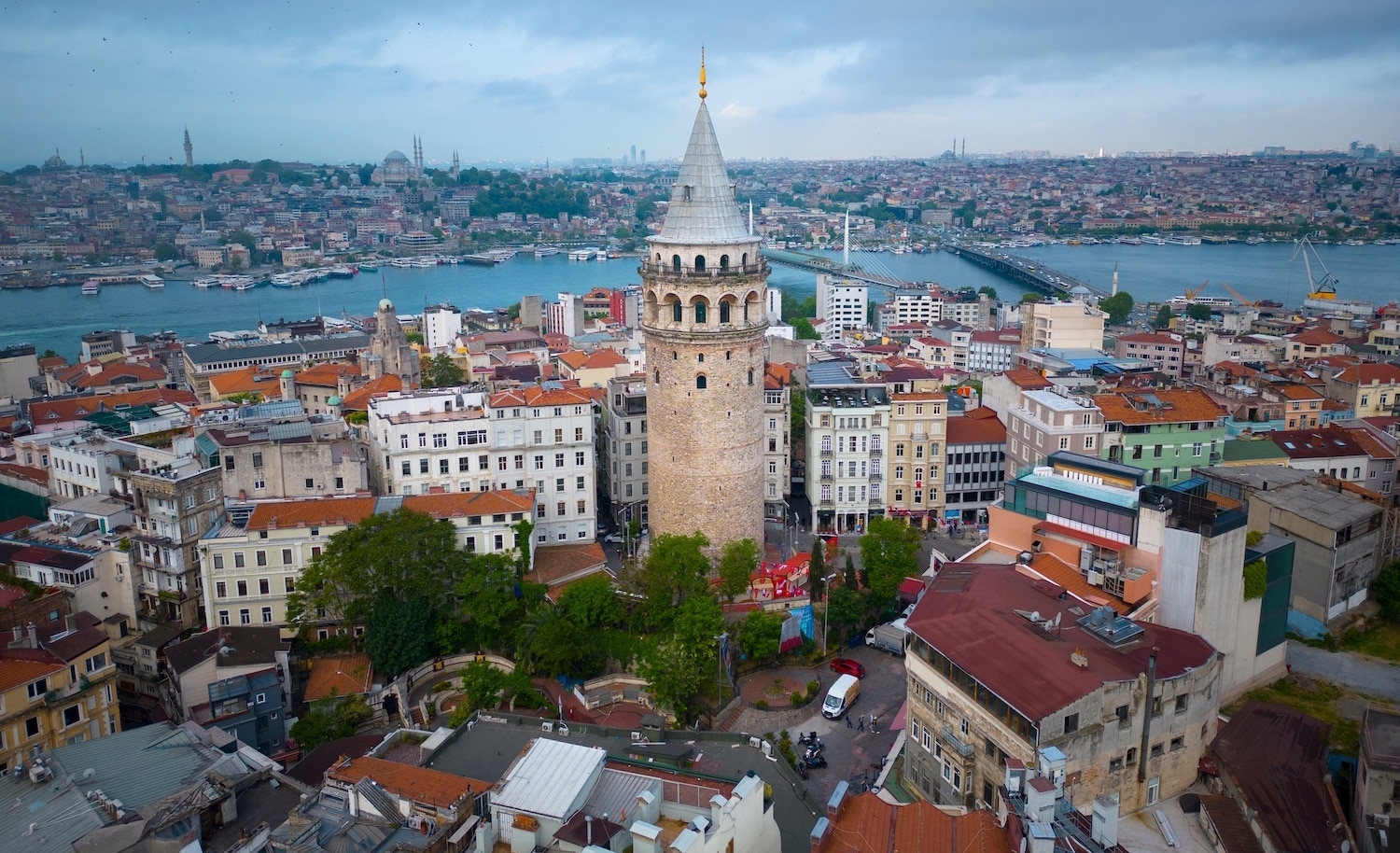
Turkish Airlines and Istanbul Airport now depend on each other.
Istanbul Airport handled 84.4 million passengers in 2025, placing it among the busiest airports in the world. Unlike older European airports with limited space, Istanbul Airport was built for growth, long-haul transfers and high passenger volumes.
This gives Turkish Airlines a strong base. The airline can bring passengers from Europe into Istanbul, then send them onwards to Asia, Africa or the Middle East. It can also bring passengers from the Gulf, Central Asia or Africa into Istanbul, then send them towards Europe or North America.
Turkey’s strategic location gives this model extra strength. Official investment promotion data places 1.3 billion people and a market worth 35 trillion USD within a four-hour flight radius of Turkey. That is the logic behind the hub.
For property buyers, it has real value. Istanbul feels more accessible when it sits at the centre of a major flight network. Bodrum feels easier when international passengers can connect through Istanbul and continue to Milas-Bodrum Airport. The same applies to Antalya, Dalaman, İzmir and other lifestyle destinations.
A strong airport and airline network makes second-home ownership easier because owners can return more often and invite family with less difficulty.
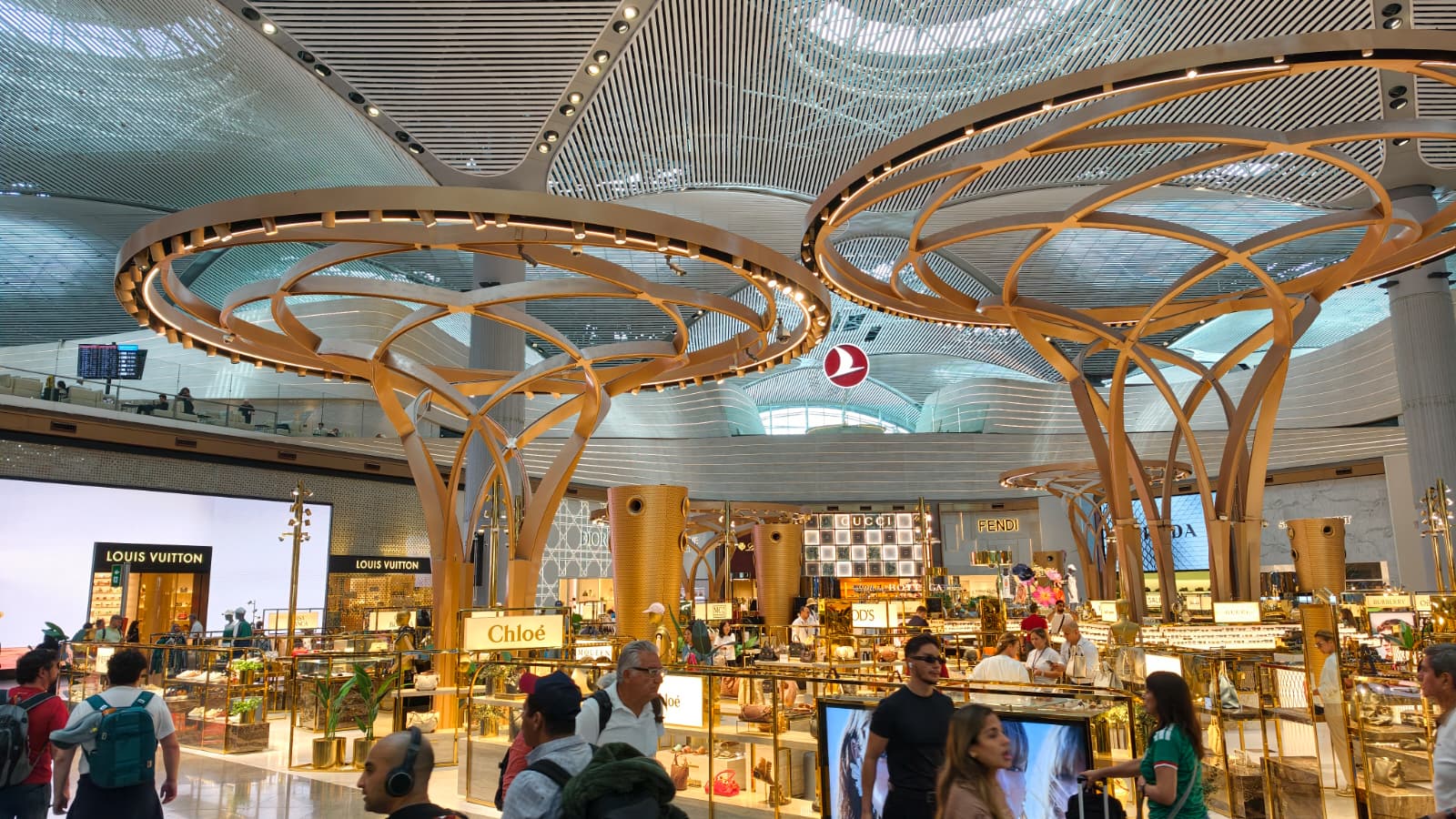
Turkish Airlines has invested heavily in the passenger experience.
Its strengths are usually linked to route choice, in-flight food, business class service, Istanbul Airport lounges, stopover options, Touristanbul services and the feeling of travelling through a major global hub.
The airline also understands branding. Over the years, it has used sport, film, celebrities and international sponsorship to reach a wider audience. Its 2026 announcement with Liverpool FC, starting from the 2027-28 season, is a good example of this global strategy. A Turkish brand appearing on the front of one of world football’s most famous shirts sends a very clear message: Turkish Airlines wants to be seen as a global premium carrier, not only a national airline.
That visibility helps Turkey too. People may discover Istanbul through a connection, Turkish Airlines through a football shirt, or Bodrum through a summer flight. The channels are different, but the effect is similar. Turkey becomes more familiar.

The Turkish Airlines story is also wider than passenger flights.
Turkish Cargo has become a major business in its own right. In 2025, Turkish Airlines reported 2.17 million tons of cargo and mail carried. The company also referred to Turkish Cargo as the world’s third-largest air cargo carrier by market share.
Cargo is important because it turns Istanbul into a logistics platform, not only a passenger hub. E-commerce, pharmaceuticals, perishables, industrial products and high-value goods all benefit from fast air links.
AJet is another part of the wider story. Formerly linked to AnadoluJet, AJet is being developed as a lower-cost airline within the Turkish Airlines strategy. The 2033 plan targets 55 million passengers for AJet with a 200-aircraft next-generation fleet.
For travellers, this could mean more domestic and regional options. For Turkey, it means the aviation system is being built in layers: premium international service through Turkish Airlines, cargo strength through Turkish Cargo, and wider price-sensitive coverage through AJet.
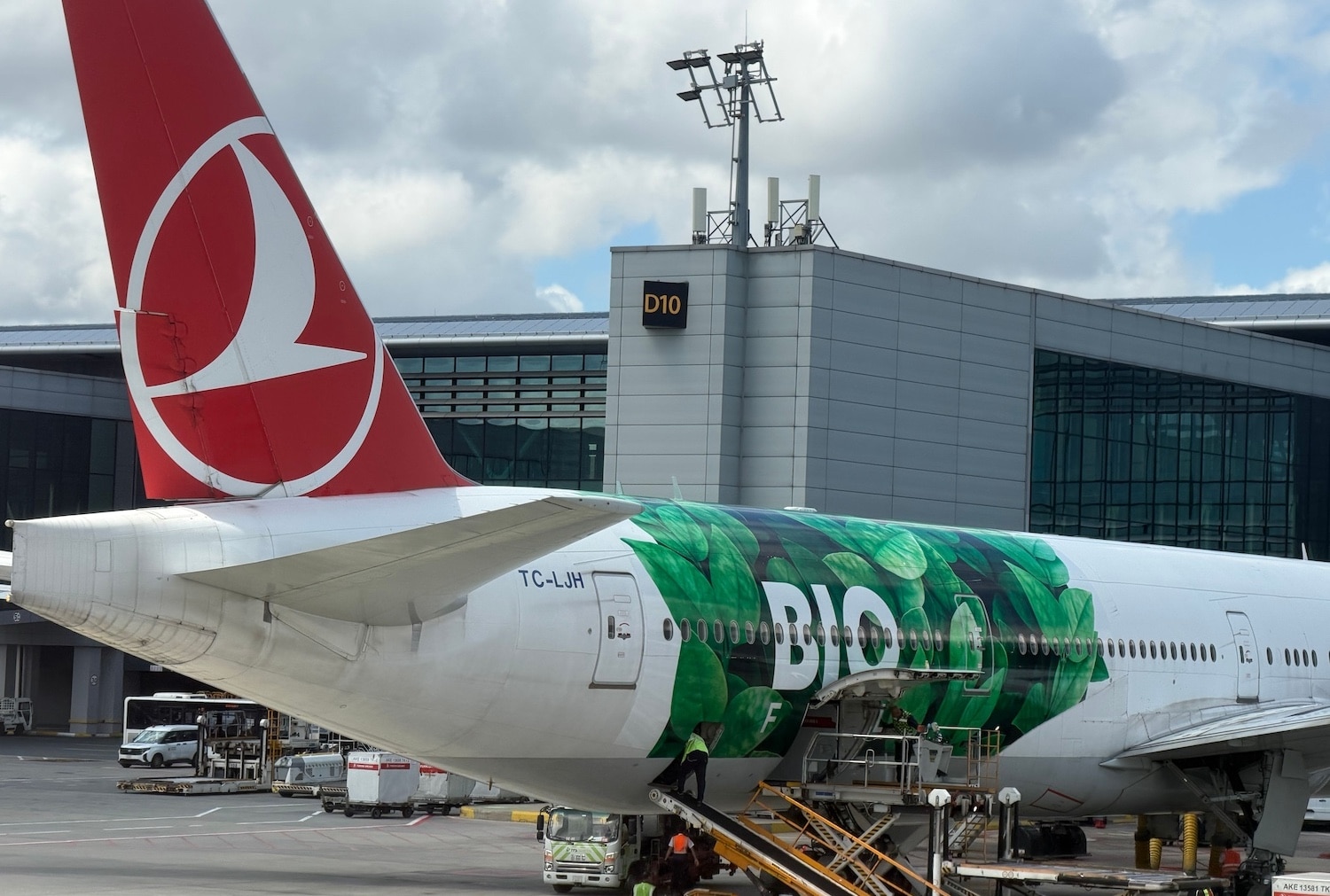
The airline’s long-term plan is built around 2033, the 100th anniversary of Turkish Airlines.
The published strategy targets more than 800 aircraft, over 170 million passengers, cargo volume of 3.9 million tons, consolidated revenue above 50 billion USD, and an economic contribution to Turkey of 144 billion USD by 2033.
Those numbers are ambitious, but they show how Turkish Airlines sees itself. It is not trying to be only Europe’s best-known network carrier. It wants to sit among the most important airlines in the world.
The risks are real. Aviation faces aircraft delivery delays, fuel costs, geopolitics, airspace restrictions, climate pressure and strong competition from Gulf, European and Asian airlines. Growth at this scale is never simple.
Yet Turkish Airlines has one lasting advantage: Istanbul.
Geography cannot be copied. A competitor can buy aircraft, improve service or build lounges, but it cannot move its hub to the meeting point of Europe, Asia and the Middle East. That is why Turkish Airlines is so closely tied to Turkey’s long-term travel and investment story.

For people buying property in Turkey, Turkish Airlines has practical importance.
If you are buying in Istanbul, the airline supports business travel, family visits, school travel, medical travel and weekend connections. Istanbul becomes a city you can live in and use internationally, not only a place to visit.
If you are buying in Bodrum, Turkish Airlines helps with the link between Istanbul and the coast. Many international buyers reach Bodrum through Istanbul outside the busiest summer months. This makes year-round ownership more realistic.
If you are considering Turkish citizenship, retirement or long-term relocation, flight access changes daily life. It is easier to maintain family ties, return for work, invite guests, manage property visits and treat Turkey as a connected base rather than a distant destination.
This is why Turkish Airlines appears so often in conversations with foreign buyers. It is not only about enjoying the flight. It is about how easy Turkey feels after the purchase.

Turkish Airlines is one of the clearest examples of Turkey turning location into value. The country has always sat between continents. The difference today is that Istanbul Airport and Turkish Airlines have turned that geography into a world-scale aviation platform.
For property buyers, this creates confidence. A well-connected country is easier to visit, easier to invest in and easier to explain to family members who may be nervous about buying abroad. Turkey’s appeal is not only beaches, prices or citizenship. It is access.
James and Aysegul help clients look at Turkey in that wider way. A home in Istanbul or Bodrum should work as a property, but it should also work as part of your life. That means airport access, health services, family travel, seasonal use, rental demand and long-term practicality.
Turkish Airlines is part of that story because it keeps Turkey connected to the world.
If you are considering buying property in Istanbul, Bodrum or another part of Turkey, contact us for clear, personal advice on locations, lifestyle, citizenship suitability and the practical details that make ownership easier.
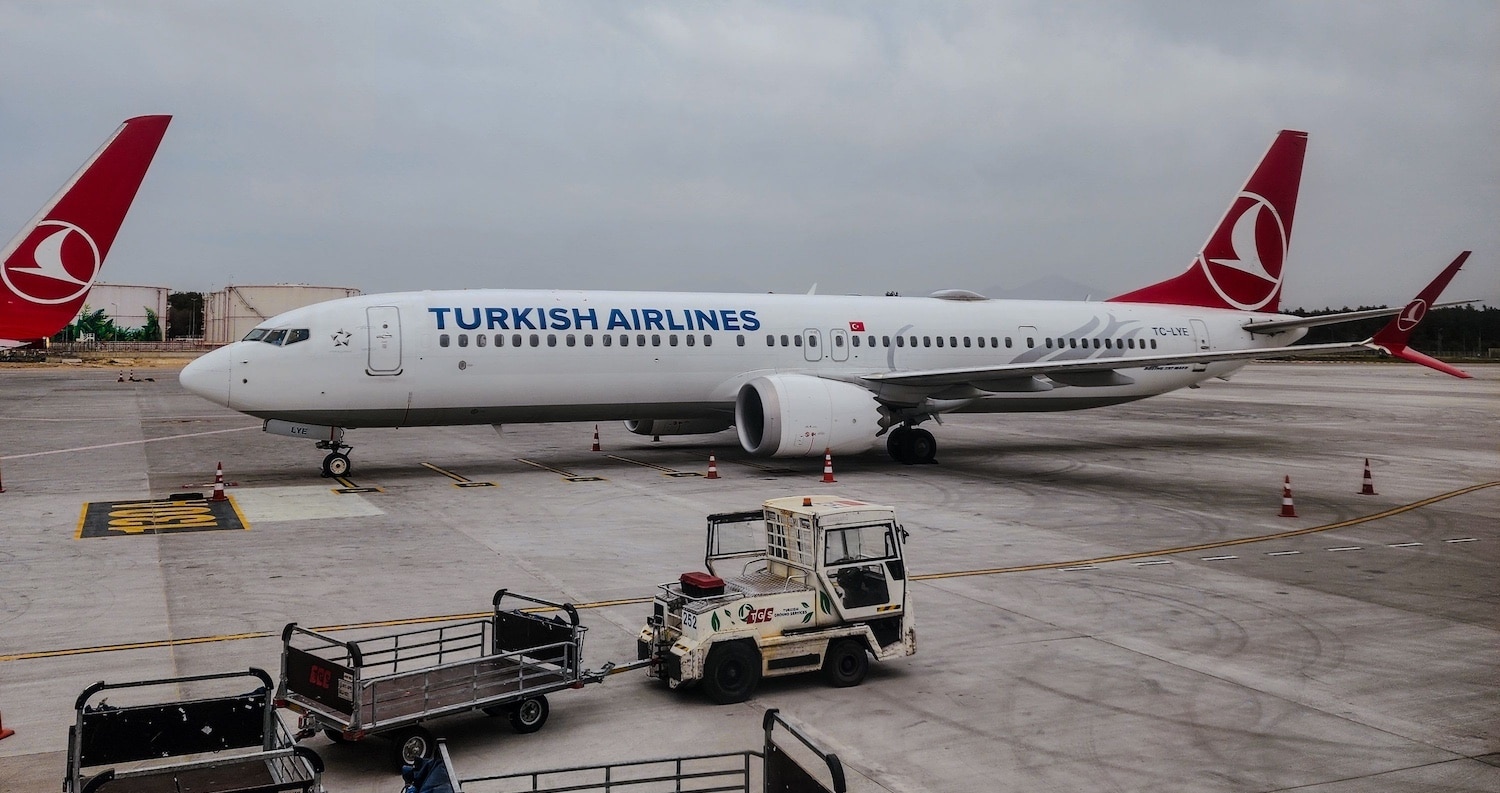
Turkish Airlines was founded on 20 May 1933 as the State Airlines Administration. It began with five aircraft and fewer than 30 employees.
Turkish Airlines reported 356 destinations at the end of 2025. Current investment promotion data lists 358 destinations in 133 countries.
Turkish Airlines supports tourism, business travel, cargo, employment, international branding and Istanbul’s position as a global hub.
Yes. Turkish Airlines lists direct flights to 14 US cities, including New York, Los Angeles, Chicago, Miami, Houston, Dallas, Seattle, Boston, San Francisco and others.
It improves access to Turkey. Easier flights make second homes, relocation, family visits, rental use and long-term ownership more practical.
Begin your journey with a free consultation.
Get the facts and figures to make informed decisions.
Want to discuss something specific?
Contact us, and we will be happy to help


Randal is a regular contributor to James & Ayşegül’s website and the writer behind The Turkey Diaries. He and his wife moved

Relocating to Bodrum may offer qualifying new residents a way to combine life on Turkey’s Aegean coast with a 20-year Turkish income-tax

Could Turkey’s new 20-year foreign-income exemption apply to your UK private pension? There is a credible argument that it could. Combine...
