Looking to Buy Property or Obtain Turkish Citizenship?
Begin your journey with a free consultation.
Get the facts and figures to make informed decisions.


People often explain the popularity of Turkish citizenship through numbers: the investment threshold, the three-year property restriction or the family members who may be included in an application.
Those details matter, but they do not explain the full attraction. The real answer becomes clearer when you look at what families actually do after deciding that they want Turkey to become part of their future.
The Ivanov family first contacted us with two connected goals. They wanted Turkish citizenship, but they also wanted to move to Istanbul, find the right home for their family and place their children in a genuine English-speaking international school offering the International Baccalaureate pathway. A single property advertised as a citizenship opportunity could not automatically solve all of those needs.
Their journey became one of the best examples of why Turkish citizenship remains so popular. It can be the starting point for an investment, a home, an education and an entirely new chapter of family life – if the plan is built around the people rather than the passport.
The family were not looking for citizenship in isolation. They wanted the security of Turkish nationality while establishing a comfortable life in Istanbul. Their children needed continuity through an international, English-speaking education and an IB programme recognised around the world. The family also needed a villa that suited the way they wanted to live, with the entire move feeling manageable in a country whose property, legal and administrative systems were new to them.
This is where many citizenship searches begin to go wrong. The buyer asks for a qualifying property, so the market shows them a qualifying property. The questions about daily life, family priorities, rental demand and future resale are pushed aside until later.
We approached the Ivanov’s in the opposite order. First we understood the life they wanted. Then we separated the citizenship requirement from the family-home requirement so that neither purchase had to pretend to be something it was not.
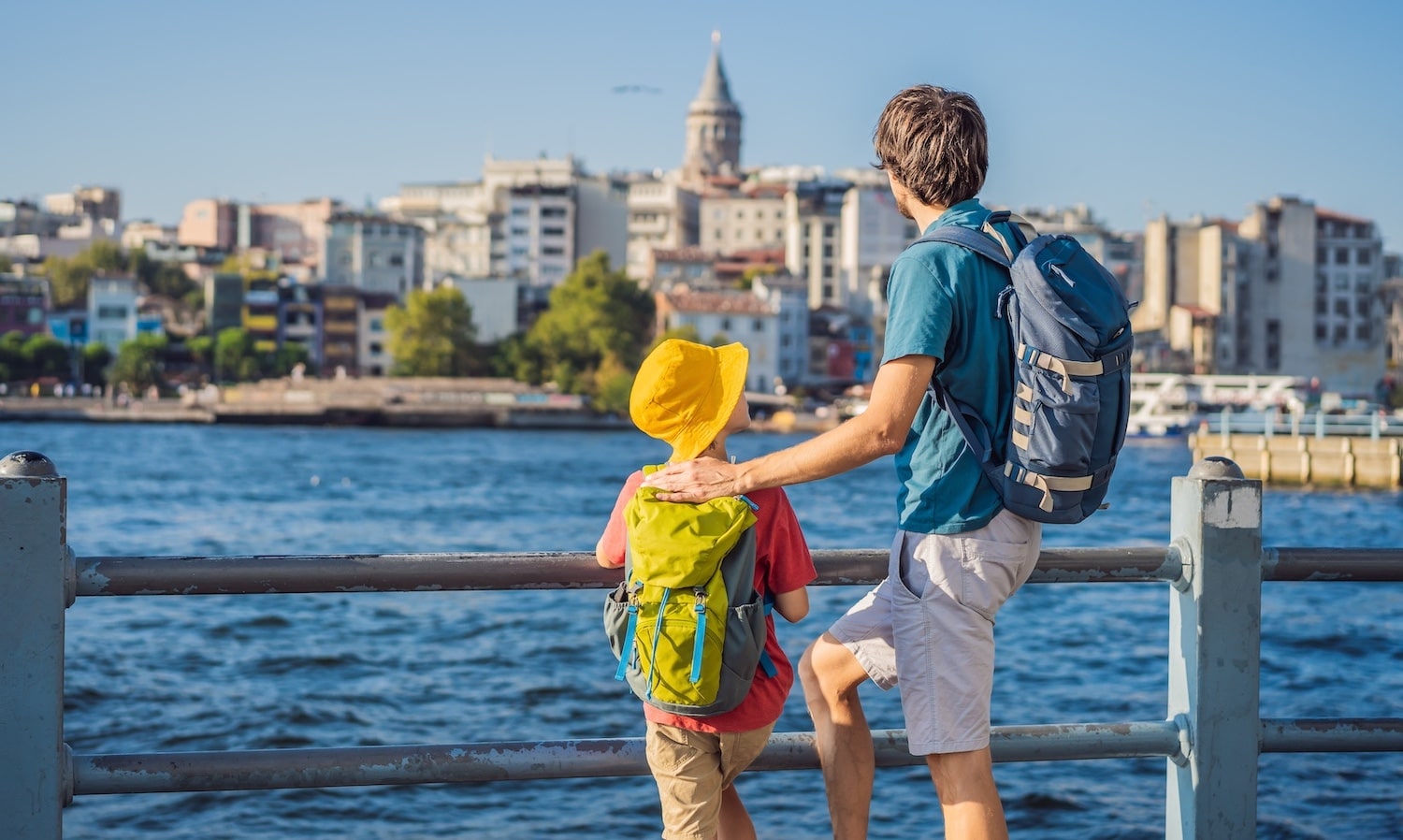
The first purchase was selected for the citizenship application. It needed to satisfy the official requirements, but that was only the minimum standard. It also needed to work as an investment property with a practical rental market and a sensible purpose after the citizenship process was complete.
Under the current real-estate route, qualifying property must reach the applicable $400,000 threshold and carry the required restriction against sale for three years. The legal, valuation and title-deed stages must be handled correctly. Those rules make the property eligible; they do not make it a good investment.
For the Ivanov’s, the citizenship property was not their family home. Treating it as an income-producing asset gave us a clearer brief. We could think about tenants, management, local demand and how the apartment should perform while the family lived elsewhere.
We continue to manage its lettings for them today. That ongoing relationship is important because a citizenship apartment does not stop being a real property once the passport is issued. It still needs tenants, oversight, maintenance and a future exit plan.

The villa that suited the Ivanov family was not suitable for the citizenship application. That did not make it the wrong villa. It made it the right home serving a different purpose.
This distinction protected the family from a common compromise: buying one property that technically qualifies for citizenship but is not where they truly want to live, or forcing a lifestyle purchase to satisfy an investment test it was never designed to meet.
The family villa was chosen around the people who would wake up there every morning. Space, comfort, the children’s routine, access to school and the feeling of the home mattered more than whether it appeared on a citizenship sales list.
By separating the two decisions, the Ivanov’s gained both: an eligible investment supporting their citizenship application and a family villa that genuinely matched their life.

Finding the properties did not complete the Ivanov’s relocation. A family cannot settle into Istanbul with a title deed and passport alone.
We researched Istanbul’s international schools with them, toured several options and helped the family choose Istanbul International Community School, Marmara Campus near Büyükçekmece. IICS provides a genuinely international, English-speaking environment and offers the International Baccalaureate pathway the family wanted for their children. We then helped with registration, school paperwork and the practical work needed for the children to begin properly. We also furnished the villa, organised the garden, helped the family purchase a car and dealt with the everyday questions that arrive when life in a new country moves from an idea to reality.
Their own testimonial describes the result simply: their children are happily settled in school, they have their dream home in Istanbul, and they achieved their goal of Turkish citizenship.
That is a much better explanation of Turkish citizenship’s popularity than a list of passport benefits. It gave this family a framework through which an investment, a relocation and a new home could come together.
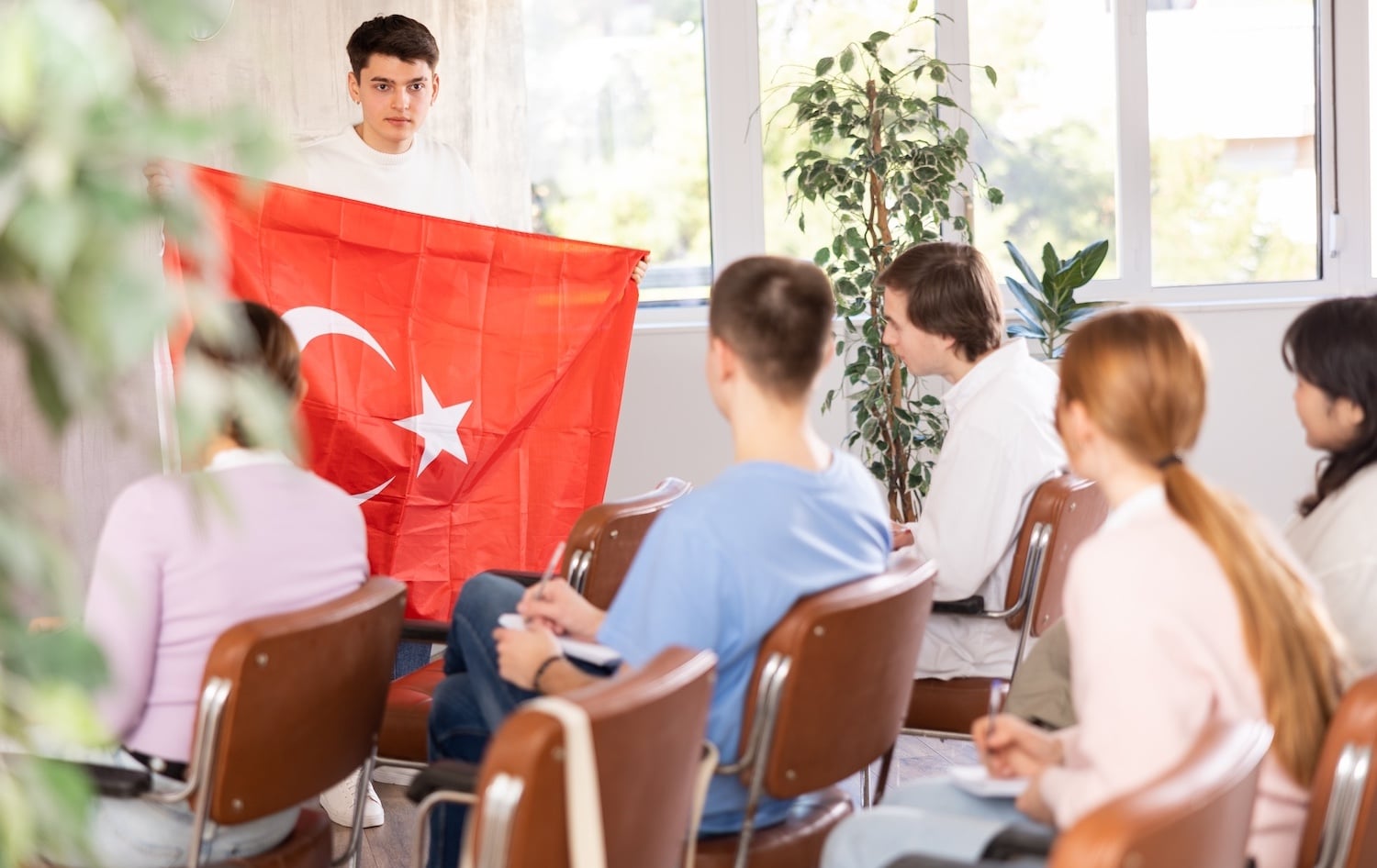
Turkey gives citizenship buyers choices that are difficult to separate from the country’s scale and character.
Istanbul has international schools, private healthcare, global flight connections, employment and business opportunities, established residential neighbourhoods and a rental market supported by millions of local residents. Bodrum offers a different future: sea, space, marinas, summer living and an international community.
Families may begin with a need for a second passport, but they often recognise that Turkey can also become a place to live, study, work, spend summers or establish a base between several countries.
The real-estate route is also tangible. Rather than making a non-refundable contribution, the buyer owns property. After meeting the required three-year restriction, the property may generally be sold while citizenship is retained, subject to the rules and the individual’s circumstances. The quality of that outcome, however, depends heavily on what was bought at the beginning.

The strength of the Turkish programme has also created a market aimed almost entirely at citizenship buyers. Some properties are priced for the foreign buyer rather than the local market. Some rental guarantees are funded through an inflated purchase price. While some developments may be easy to buy but difficult to resell once the three-year restriction has ended.
A valuation report and citizenship eligibility do not answer the most important commercial questions. Who will rent this property? Who will buy it from you later? Is the asking price comparable with genuine local transactions? Would anyone choose this home if citizenship were removed from the conversation?
Our advice is to begin with the future buyer or tenant. In Istanbul, that usually means understanding the local market rather than relying only on international marketing. A citizenship purchase should remain a sound property decision even after the application file has closed.
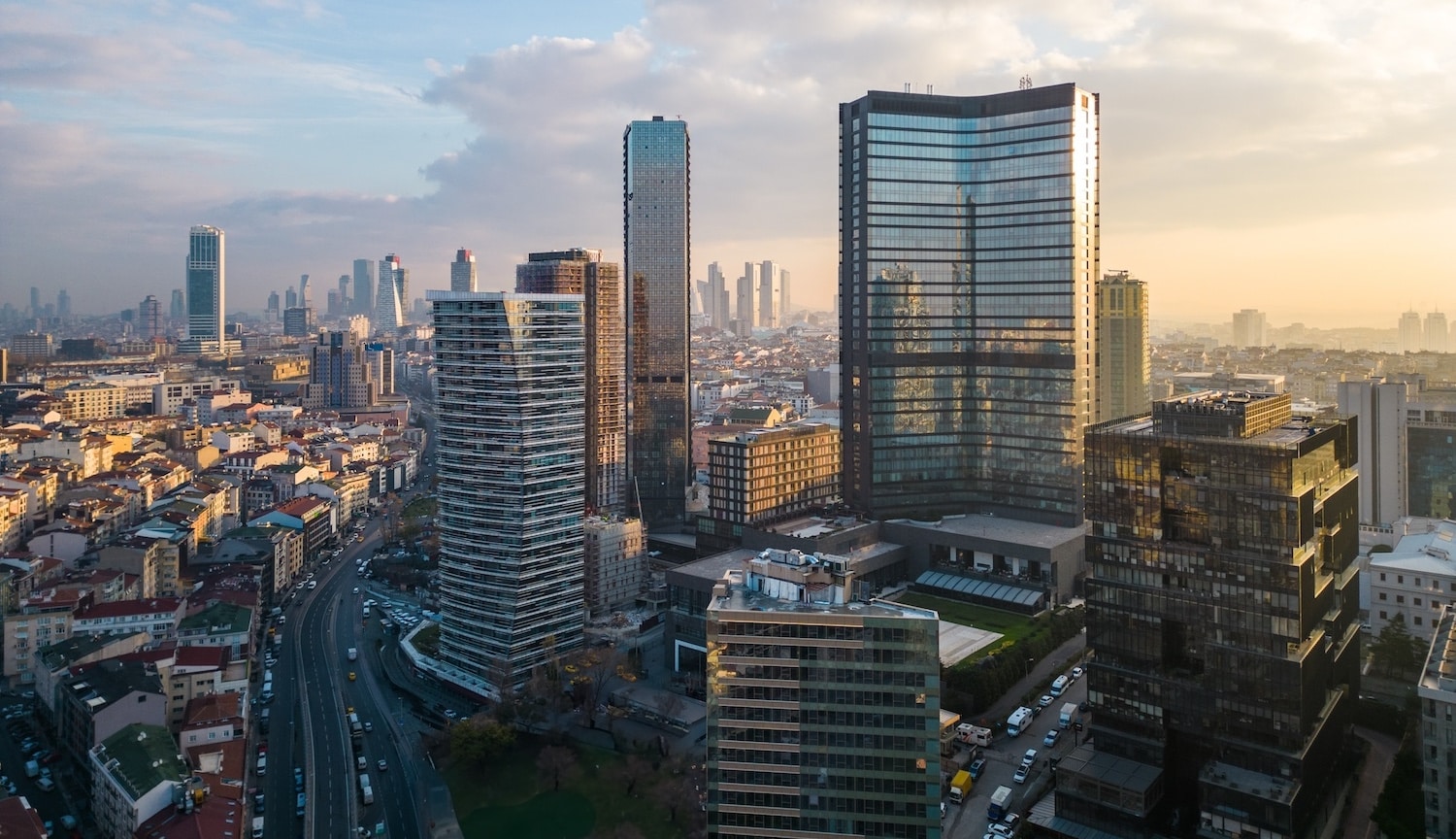
The citizenship process has a visible finish line. Property ownership does not.
After completion, an overseas owner may need tenants, inspections, repairs, bill payments, furnishing or renovation. A family moving to Turkey may need schools, transport and help establishing daily life. Years later, the owner may want to sell the original investment, buy another property or change how the home is used.
This is why we provide buying and selling, citizenship and residence coordination, furnishing, renovation, lettings and property management as connected services. The Ivanov family used many of them, but every client’s plan is different. The important point is continuity: you should not have to explain your entire story to a new person every time the next stage begins.
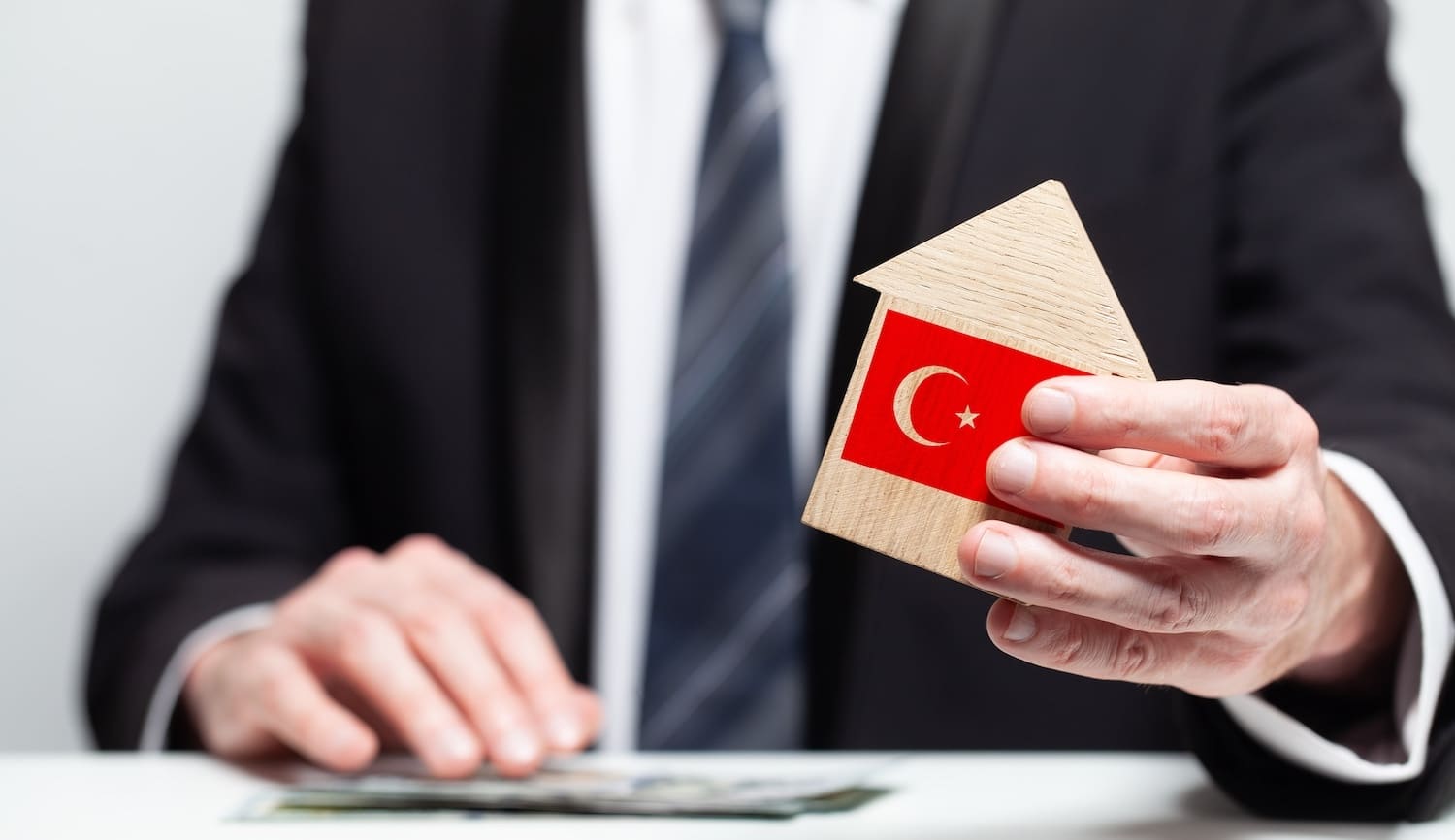
Citizenship by investment can sound administrative, but the decisions behind it are deeply personal. Parents are thinking about their children’s future. Investors may be protecting capital earned over decades. Families may be looking for security, freedom or simply somewhere they feel welcome.
With James & Ayşegül, we know your name, your family and the reason you are considering Turkey. We do not believe our responsibility ends when the title deed is transferred or the passports arrive.
James grew up in England and understands what it means to build a life in another country. Ayşegül grew up in Istanbul and brings local knowledge of both Istanbul and Bodrum. Together, we bridge the distance between what an international family expects and how property and daily life work in Turkey.
Our clients become part of our Turkish family. For us, that means honest advice, clear responsibilities and being available after the transaction – not merely using the word family in a sales message.

Because it can solve more than one problem at a time.
It can provide citizenship for a family while placing capital into real estate. It can support a relocation, create rental income, establish a second home and give children a genuine connection with another country. And it can be an investment today and still leave room for a different property decision tomorrow.
The Ivanov family’s story shows the programme at its best. The citizenship apartment was chosen as an investment. The villa was chosen as their home. The schools, furniture, garden, car and ongoing management made the move work in real life.
That is why the right question is not simply, Which property will give us citizenship? It is, What do we want our family’s life in Turkey to look like – and which combination of property and support will make that possible?
Considering Turkish citizenship and property? Tell us what you want the investment to achieve and what you want life after the passport to look like. Contact James and Ayşegül today.
Begin your journey with a free consultation.
Get the facts and figures to make informed decisions.
Want to discuss something specific?
Contact us, and we will be happy to help


Randal is a regular contributor to James & Ayşegül’s website and the writer behind The Turkey Diaries. He and his wife moved

Relocating to Bodrum may offer qualifying new residents a way to combine life on Turkey’s Aegean coast with a 20-year Turkish income-tax

Could Turkey’s new 20-year foreign-income exemption apply to your UK private pension? There is a credible argument that it could. Combine...
