Looking to Buy Property or Obtain Turkish Citizenship?
Begin your journey with a free consultation.
Get the facts and figures to make informed decisions.

One of the questions Ayşegül and I are asked more than almost any other is whether Turkey is actually safe to live in.
We completely understand why people ask because, if you’re thinking about moving your family to another country, buying a home or spending your retirement somewhere new, it’s probably the single most important question of all.
Over the years, though, I’ve realised it’s also one of the hardest questions to answer. Not because I don’t know the answer, but because the answer isn’t a statistic. It’s a feeling.

People often expect us to quote crime figures or government travel advice, and whilst those things certainly have their place, they don’t tell you what life feels like once you’ve unpacked your suitcases, settled into a routine and started calling somewhere home.
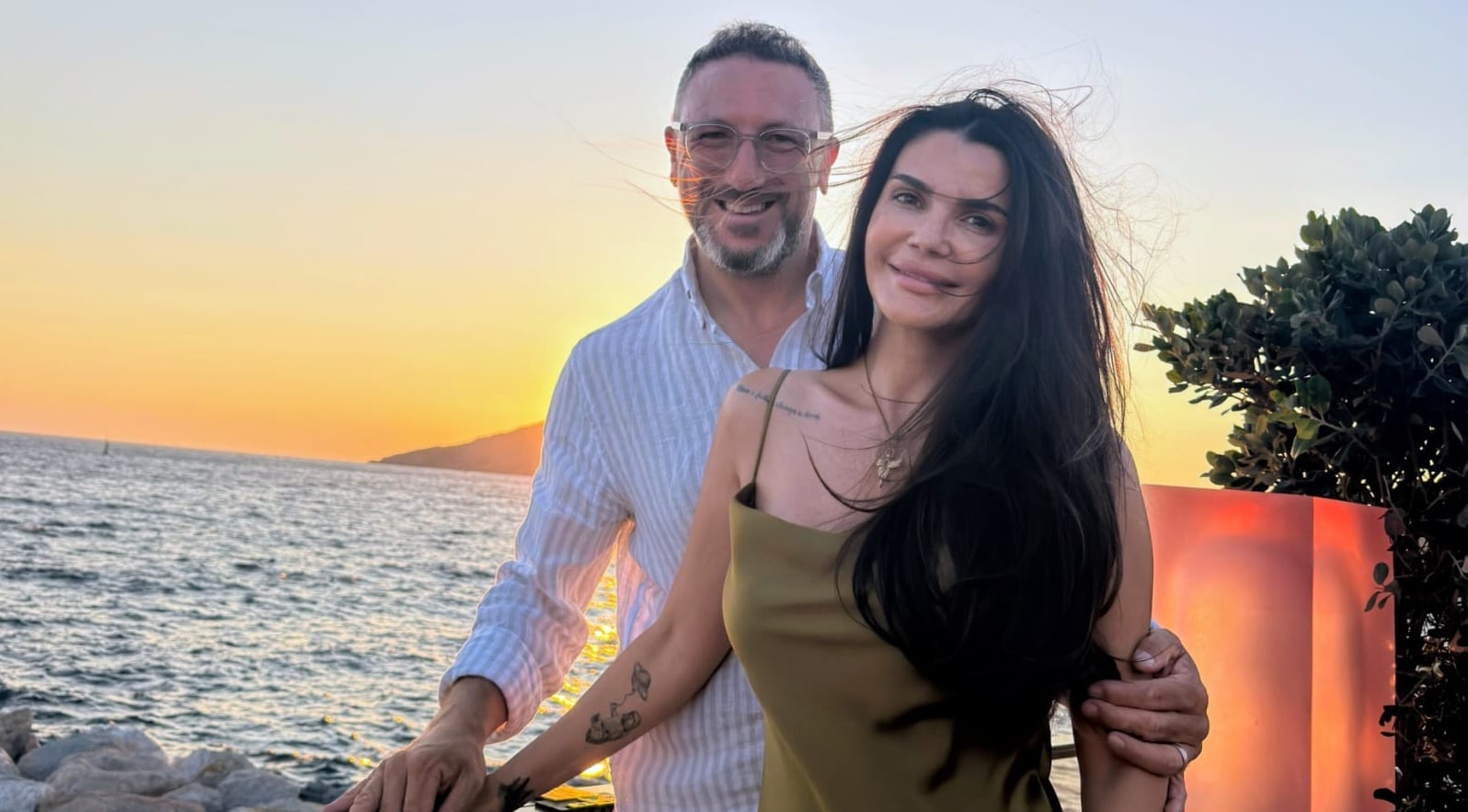
The only perspective I can honestly offer is my own because it’s the one my family and I have lived every day since making Turkey our home.
When I first moved to Turkey, I behaved exactly as you’d expect someone from England to behave. I checked the doors before going to bed, made sure the car was locked and thought twice if I’d left anything valuable inside.
Those weren’t habits I learnt in Turkey; they were habits I’d brought with me. I didn’t even realise how much of my daily routine revolved around security until those habits slowly began to disappear. It wasn’t because somebody told me Turkey was safe, it wasn’t because I’d read a report or looked at a set of statistics. It happened naturally through hundreds of ordinary days.
Little by little, without even noticing it, I stopped checking everything twice. I stopped assuming the worst would happen if I made a simple mistake. Looking back, I think that’s when I realised I wasn’t just living in Turkey anymore. I was beginning to feel at home here.

There’s one memory that has always stayed with me because it perfectly sums up what I’m trying to explain.
One warm summer’s evening we left the balcony doors open all night. The crickets were singing outside, a gentle breeze drifted through the house while we slept, and when I woke the following morning, everything was exactly as we’d left it.
It sounds insignificant when you read it on a page, but for me it wasn’t insignificant at all. It was the moment I realised I’d stopped living on high alert. I hadn’t consciously decided to trust where I lived; somewhere along the way, that trust had simply become part of everyday life.

As a husband, there are other moments that have stayed with me just as much. Ayşegül enjoys meeting her friends around Yalıkavak Marina, and if she decides to walk home afterwards, I don’t spend the evening wondering whether she’s going to be alright.
I know she’ll walk through the front door a little later, probably laughing about something one of her friends has said over dinner. It’s become completely normal for us, and yet I know that’s one of the things many people moving from Western Europe find hardest to imagine because it simply isn’t the reality they’ve become used to.
Being a father changes the way you look at safety as well. I still remind my son to be careful when he’s riding his bike, just as every parent does, but what gives me confidence isn’t simply the street we live on. It’s the people around us.
Communities here still feel like communities. People know their neighbours, the local shopkeeper recognises familiar faces and there’s almost always somebody sitting outside enjoying a tea or chatting with friends. If something doesn’t look quite right, somebody notices, not because they’re being nosy, but because people genuinely look out for one another. It’s one of those cultural differences that’s difficult to explain until you’ve experienced it yourself.

One conversation always makes Ayşegül smile because we’ve heard it countless times over the years.
Sooner or later, somebody will quietly ask whether it’s safe to wear their Rolex or expensive jewellery in Turkey. They aren’t really asking about the watch. They’re asking whether they’ll have to change the way they live.
Many people arrive from countries where they’ve become used to hiding expensive watches under a sleeve, avoiding certain streets after dark or thinking twice before leaving a handbag hanging over the back of a chair in a restaurant. Those habits become so normal that they stop questioning them. Then they arrive in Turkey and, without even noticing it, that constant awareness slowly begins to fade.
That was certainly our experience. We don’t spend our lives worrying about what’s on our wrist or whether somebody is watching us. We don’t think twice about:
Those aren’t things I’d encourage anyone to do carelessly anywhere in the world, but they’re honest examples of how life has felt for us after making Turkey our home.

Perhaps the biggest surprise for many foreigners is that Turkey doesn’t always rely on the kind of visible security they’re used to seeing back home. One of the first questions many buyers ask us is about CCTV systems, alarms and security gates because that’s what they’ve always relied upon.
Then they spend a few months here and realise something rather unexpected. Hardly anybody else has them.
We live on a small development in Bodrum. There isn’t a guarded entrance, there aren’t security patrols driving around and, if you walk around our neighbourhood, you won’t find every house covered with cameras and alarm boxes.
Some luxury developments have those features, and many apartment buildings in Istanbul have controlled entrances because that’s simply how city living works, but ordinary residential neighbourhoods often feel remarkably different from what many foreigners expect.
In all the years I’ve lived in Turkey, I’ve personally heard of remarkably few burglaries amongst people I know. That’s not a statistic, and I’m certainly not suggesting crime doesn’t exist because it does. It’s simply an honest reflection of my own experience after making Turkey home.
I think the reason is something that’s very difficult to measure because it doesn’t appear in a report or on a government website. It’s woven into everyday life.
People know each other, neighbours naturally keep an eye on one another’s homes, the local shop owner recognises who’s from the area and who isn’t, and life is still lived outdoors. People are walking, talking, drinking tea, sitting in cafés or chatting with neighbours, so there are always familiar faces around. It’s not about people watching each other; it’s about communities still feeling like communities, and I genuinely believe that’s one of the reasons so many foreigners slowly begin to relax after moving here.
Back home, security often comes from technology. Here, it often comes from people.

That doesn’t mean Turkey is perfect because nowhere is. We still lock our doors before going to bed, we still use common sense, and I’d never suggest anyone should stop being sensible simply because they’re living in another country.
There is, however, a huge difference between taking sensible precautions and constantly expecting something bad to happen. For me, that’s probably been the biggest change since moving here.
When people ask me today whether Turkey is safe, I don’t immediately think about crime statistics or international rankings. I think about:
Turkey hasn’t removed every risk from life because no country ever could. What it has given me, and what it has given our family, is something I hadn’t realised I’d slowly lost over the years. Peace of mind. Perhaps that’s the real Turkish charm that so many foreigners struggle to describe until they’ve experienced it for themselves.
If you’re considering a move to Turkey and have the same questions we once had, we’d be delighted to share our own experiences with you. Whether you eventually decide Turkey is the right place for you or not, we believe an honest conversation with someone who’s already made the journey is always the best place to start.
From our family’s experience, yes. Like every country, Turkey has areas that are busier than others and sensible precautions always apply. However, we’ve found everyday life to be relaxed, welcoming and built around strong local communities, which has given us a genuine sense of peace of mind.
Like every country, Turkey has crime and visitors should always use common sense. Our own experience, however, is that street crime has never defined the way we live our lives. We find ourselves thinking about it far less than we once did before moving here.
This is one of the questions we’re asked most often. We can only speak from our own experience, but we wear watches and jewellery without giving them much thought. As with anywhere in the world, good judgement is always sensible, but many newcomers are surprised by how quickly they stop worrying about it.
In our opinion, yes. One of Bodrum’s greatest strengths isn’t just its beautiful coastline, but its sense of community. Neighbours know each other, children still play outside, and many people tell us it reminds them of what their own hometowns used to feel like years ago.
Istanbul is one of the world’s great cities. Like London, Paris or New York, some districts are quieter than others, which is why local knowledge is important. Many of our clients live very happily in Istanbul, and choosing the right neighbourhood is often far more important than judging the city as a whole.
Begin your journey with a free consultation.
Get the facts and figures to make informed decisions.
Want to discuss something specific?
Contact us, and we will be happy to help


Randal is a regular contributor to James & Ayşegül’s website and the writer behind The Turkey Diaries. He and his wife moved

Relocating to Bodrum may offer qualifying new residents a way to combine life on Turkey’s Aegean coast with a 20-year Turkish income-tax

Could Turkey’s new 20-year foreign-income exemption apply to your UK private pension? There is a credible argument that it could. Combine...
