Looking to Buy Property or Obtain Turkish Citizenship?
Begin your journey with a free consultation.
Get the facts and figures to make informed decisions.

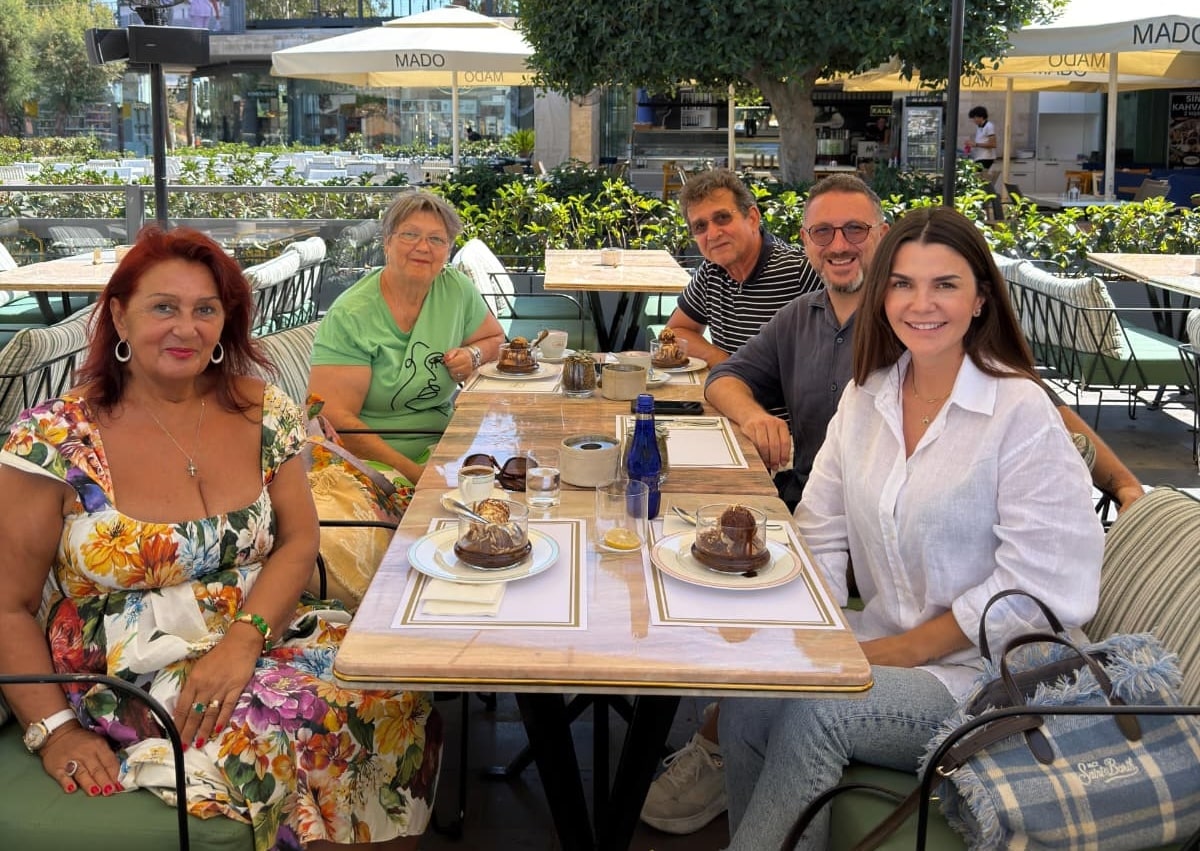
Most of us have been on holiday to Turkey at some point, and almost everyone seems to return home talking about the same thing: the hospitality. Turkey has always been known for the warmth of its people, and that reputation is fully deserved.
From the moment you step off the plane until the moment you leave, people generally make you feel welcome.
A waiter remembers what you drank, a shopkeeper offers tea before you have decided whether to buy anything, and hotel staff seem genuinely pleased that you chose to visit.
The welcome is one of the first things visitors notice, but it only shows one side of the culture. The deeper picture appears once the holiday ends and ordinary routines begin.
I have met very few people who have visited Turkey and come away saying they felt unwelcome. Usually, it is the opposite. They remember the people as fondly as the beaches, food or weather.

But visiting a country and living in it are two entirely different experiences. A holiday allows you to see Turkey through hotels, restaurants, beaches and places designed around visitors. Living here exposes you to the ordinary parts of life that no holiday brochure mentions. Instead of moving between places designed for tourists, you begin using the same services and seeing the same people throughout the year.
You are no longer simply passing through, and the people around you begin to realise that you are not disappearing at the end of the summer.
Those are the moments when you start to understand what Turkish people are really like. The hospitality is still there, but it is no longer being offered because you are a tourist. You see how people treat one another when there is no hotel review to earn, no tip necessarily coming and no reason to impress you.
You notice the car wash attendant smiling as soon as you arrive, the bank cashier recognising you before you reach the counter, the shopkeeper asking where you have been and the neighbour arriving with something they have cooked. These small interactions gradually become the texture of everyday life, and after living here long enough, they are often the things you miss most whenever you leave.

We live in Yalıkavak, a coastal town in Bodrum that changes completely between summer and winter. During summer, the marina fills, restaurants become busy and thousands of visitors arrive. When you live here throughout winter as well, you discover a very different Yalıkavak. The town becomes smaller again, and the same faces become part of your normal week. You use the same bank and car wash, walk through the centre often enough, and faces that once seemed unfamiliar become part of the place.
Gradually, people start to recognise you. Then they remember your name, ask after your family and notice when you have not been around. The man at the car wash always smiles when he sees me. I usually leave a small tip, but the relationship is not really about the tip. It is about looking someone in the eye, smiling and showing that you appreciate what he has done.
The next time you return, you are no longer simply another vehicle coming through the gate. You are somebody he knows, and the greeting comes before the work begins.
The same thing happens all over town. Shopkeepers wave as you pass, café staff know what you drink, the barber remembers how you like your hair cut and people ask about Ayşegül or my son before discussing why I have come in. Sometimes they remember a conversation from weeks earlier and ask whether a problem has been resolved. These small details show that people have not simply recognised your face. They have remembered something about your life.
These may not be deep friendships in the conventional sense, but they are relationships. Together, they create the feeling that you are known within the place where you live.
Even the bank can feel personal. The process may sometimes take longer than you expect, but staff begin to recognise you and greet you when you arrive. You stop feeling as though you are simply a customer number moving through a system.
None of these moments sounds extraordinary on its own. Yet when they happen every day, they completely change how it feels to live somewhere. Community is not always created through grand events. Sometimes it grows through hundreds of tiny acknowledgements repeated over years.
In many countries, local businesses know your customer number. In Turkey, they often know your name.
We were recently sitting in a Turkish bank with one of our lawyers, waiting to complete a property transaction for a client. Anyone who has dealt with official procedures in Turkey will know that some things can take time. There may be documents to examine, signatures to collect, calls to make and approvals to wait for. You learn to accept that the process will take as long as it takes. These are the familiar occasions people jokingly describe as a “Welcome to Turkey” moment, when patience becomes part of the procedure.
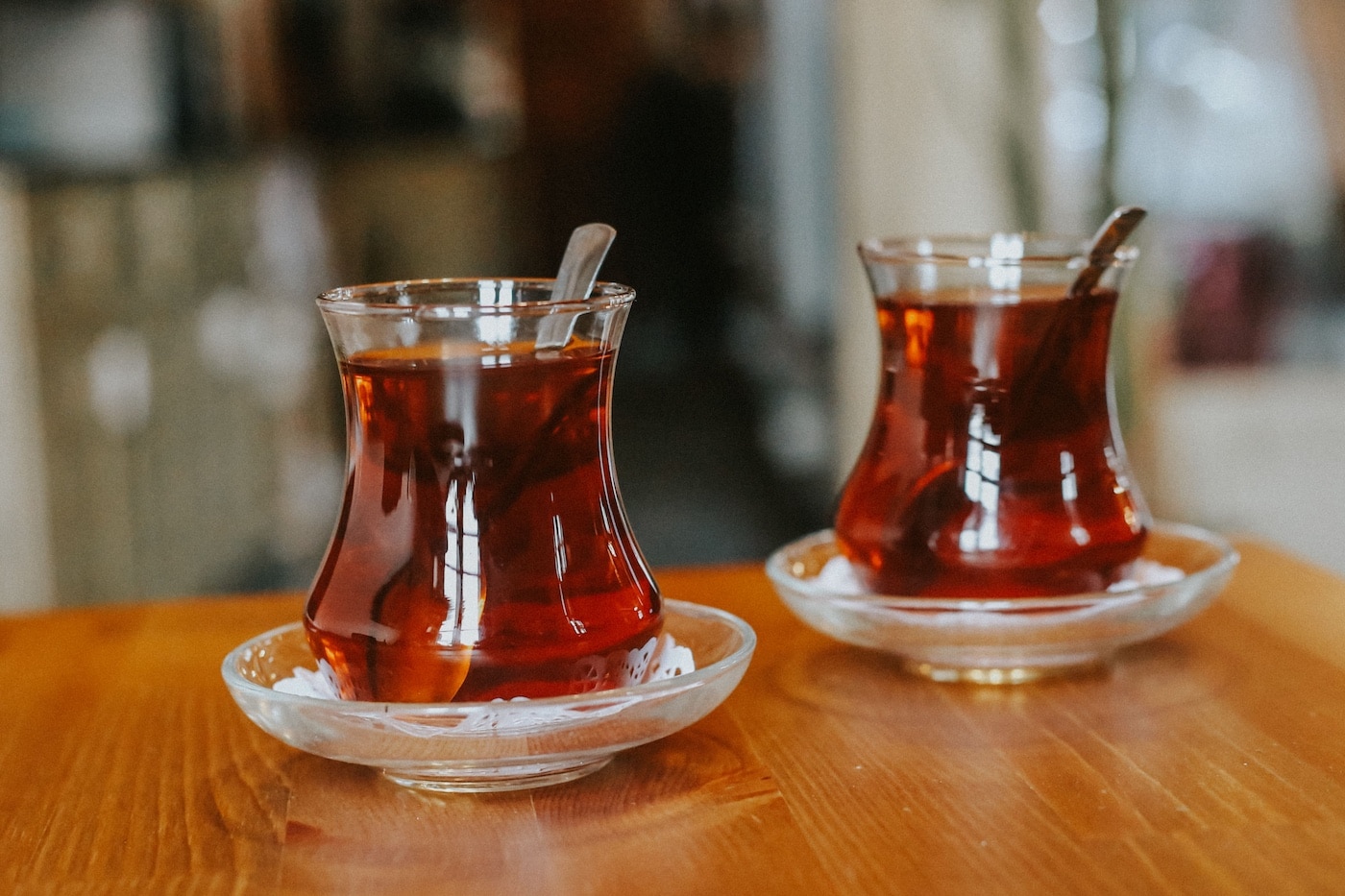
We had been sitting there for a while, but nobody made us feel like an inconvenience. The staff offered tea, coffee and water, checked that we were comfortable and allowed us to use the facilities without making us feel awkward. They knew we were waiting, and their natural response was to look after the people sitting in front of them.
I tried to imagine receiving the same treatment in a bank in Britain. I am sure there are branches with wonderful staff, but the wider experience has become increasingly impersonal. Services have moved online, branches have closed and visiting a bank can feel as though you are inconveniencing the organisation by appearing in person.
The Turkish approach is different because, while the transaction matters, the person waiting for it still matters as well. The tea does not make the procedure faster, but it changes how the delay feels. Instead of being an unwanted customer taking up space, you are treated as a guest who happens to be waiting for some work to finish.
You see the same attitude in smaller situations. You take your son’s bicycle or a car tyre into a repair shop. Someone looks at it, fixes the issue in a few minutes and waves you away when you ask how much you owe. Foreigners are often confused because we have become used to every service, however small, being converted immediately into a charge.
Sometimes the job is so minor that the person does not consider it worth charging for. Sometimes they know you or the person who sent you. At other times, they saw somebody with a problem and helped because it was the natural thing to do. Turkish businesses need to earn money like businesses everywhere, and nobody should expect free work. What stands out is the generosity that still exists around small acts of help.
A sincere thank you, a smile, a little tip or simply treating the person helping you with respect goes an enormous distance. People remember whether you showed appreciation and behaved as though their time and work mattered. The exchange may involve money, but it is rarely only about money.
One tradition captures Turkish neighbourhood culture: aşure, sometimes known in English as Noah’s Pudding.
It is a sweet dish made from grains, pulses, dried fruit, nuts and other ingredients, and every family seems to prepare it slightly differently. The most important part is not the recipe. It is what happens after the large pot has been made.
Families rarely prepare aşure only for themselves. They fill bowls for neighbours, relatives and friends, often sending their children around the neighbourhood carrying them from door to door. You hear a knock and find a child standing there with homemade food prepared by someone nearby. Nobody announces that they are performing an act of community spirit. There is enough to share, so sharing is simply what people do.
The same happens with soup, börek, stuffed vegetables, desserts and all kinds of home cooking. Someone prepares a large pot and sends a portion to a neighbour. A family begins a barbecue and invites people nearby to join. When Ayşegül and I see someone we know, we are often invited inside for Turkish coffee, and a quick hello can become coffee, tea, fruit, food and several hours of conversation.
This culture stretches beyond the homes directly surrounding your own. It includes the local shopkeeper, the pharmacy staff, the tradesman who has visited your house, families you regularly see in town and people working in businesses you use throughout the year. Eventually, the town itself begins to feel like an extended neighbourhood. People may not know every detail of your life, but they know who you are, where you belong and which family you are connected to.
You do not become part of a Turkish neighbourhood only because you have lived there for years. You become part of it because the neighbours decide you are already one of them.
The acceptance often happens naturally. A neighbour sends food before you would necessarily describe yourselves as friends. Someone invites you to a barbecue because you happen to be nearby. A child arrives with a bowl of aşure because their parents have already placed you within the circle of people with whom food should be shared.
That is when a foreigner starts to feel they are no longer simply living in Turkey. They are living within a Turkish community.

One difference I noticed after leaving London was how people use public space and how little we acknowledge one another in many large Western cities. I used to walk to the station surrounded by people looking at their phones or straight ahead. Many had headphones on, and eye contact with strangers was generally avoided. You could pass the same people every morning for years without learning their names.
This is not to suggest that Britain has no warm communities. Many smaller towns and villages still have them. But in large parts of modern Western life, people have gradually learned to keep themselves to themselves. Technology has replaced many ordinary conversations, and efficiency has removed the need to deal with another person at all. Privacy has increased, and many exchanges that once involved another person now happen through a screen.
Turkey still feels different. People look at one another, smile, wave and use small gestures to acknowledge someone they recognise. Men embrace and kiss each other on the cheeks. Friends hold one another by the arm while talking, and a handshake often becomes a hug when the relationship is warm enough. Saying hello is not treated as meaningless background noise.
When someone asks how you are, they often wait for the answer. They ask after your wife, children, parents and health. They remember a problem you mentioned the previous week and ask whether it has been resolved. The conversation may last only two minutes, but it is a proper conversation rather than an automatic exchange of words.
Turkish people are also more comfortable with physical warmth than many British people initially expect. The cheek kissing, hugs, hands on shoulders and animated gestures can feel unfamiliar at first. After a while, they become part of the rhythm of life. Warmth is communicated not only through words, but through eye contact, touch and presence.
These gestures create a sense of belonging that is difficult to measure but easy to feel. You cannot calculate the value of a wave from a shopkeeper, a hug from someone you have not seen for weeks or a person remembering your son’s name. Yet when those interactions disappear, you notice their absence.
The biggest difference is not simply that Turkish people are friendlier. It is that everyday life still feels personal.
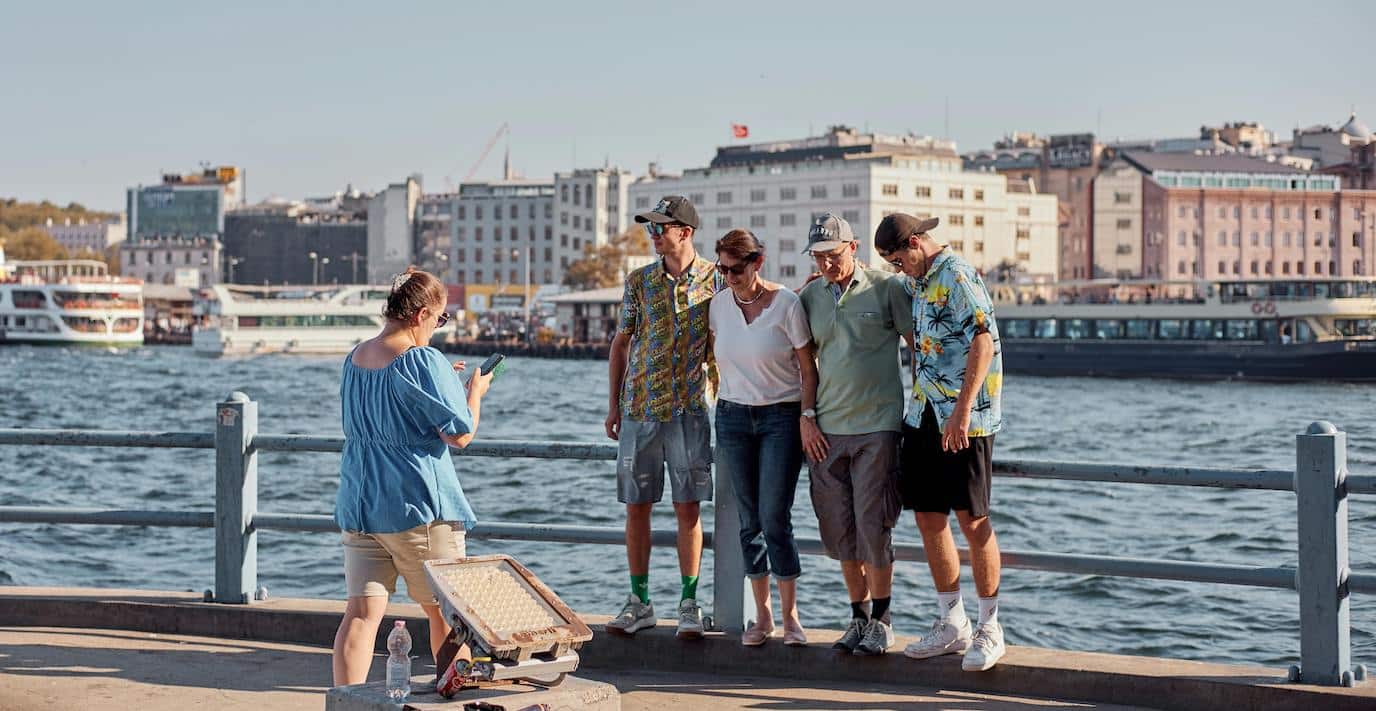
Turkish people are generally very welcoming towards foreigners, but their interest often goes beyond simple politeness. They are curious about where you come from, why you chose Turkey, what you think of the country and whether you are happy living here. People ask about your family, work, Turkish food, football and which parts of the country you have visited. They may also ask whether you prefer Bodrum or Istanbul, whether you have started learning Turkish and how you have adjusted to the pace of life.
This curiosity can initially seem personal to British or American people, who are often taught not to ask too many questions when meeting someone. In Turkey, questions are usually a way of finding a connection. The person may want to discover whether they know somebody from your country or whether a relative lives near where you grew up.
Almost every Turkish family seems to have an uncle in Germany, a cousin in London, a brother in Sweden or somebody who once worked elsewhere in the world. The moment you mention where you are from, people often tell you about that relative.
Many Turkish people would like to travel more than they have had the opportunity to do. Meeting someone from another country gives them a connection to the wider world, but they also take pride in telling you about Turkey. They recommend places to visit, foods to try and towns they insist are more beautiful than the famous destinations you already know.
Language is not always a barrier because people generally try to find a way through it. Not everyone speaks English, particularly away from tourism centres, but someone will use gestures, open a translation application or call over a younger relative who learned English at school. A person may know only a few words, but those words are offered with a smile and the conversation continues. The willingness to continue matters more than perfect vocabulary.
Foreigners sometimes worry they will always be outsiders. You will always have a different background, but Turkish communities can be quick to draw someone into everyday life once they realise that person is not merely passing through. You become the British man who lives here, the German neighbour or the foreigner who always orders the same coffee.
The foreign identity does not disappear, but it becomes part of how people know you rather than a reason to exclude you. You are different, but you are also theirs.

Foreign visitors sometimes assume Turkish hospitality exists mainly because tourism is so important to the country. They experience wonderful service in hotels and restaurants and imagine the warmth has developed as part of the tourism industry. In reality, the hospitality seen on holiday is the public expression of something already present inside Turkish homes and communities.
A guest is rarely allowed to sit down without being offered something. Tea appears almost immediately, followed by coffee, water, fruit, nuts or whatever food is available. If a meal is being prepared, another place is created at the table. Saying you are not hungry does not always end the discussion because feeding someone is considered a form of care.
This generosity is not necessarily connected to wealth. A family living modestly may offer everything in the house, while somebody with far more money may be less naturally hospitable. What matters is the desire to make the guest comfortable and to spend time together. Food provides the centre around which conversation and relationships continue. Allowing a guest to leave without offering food would feel wrong, because feeding someone is treated as a form of care rather than display.
British and American visitors often associate this relaxed pace with Mediterranean countries such as Greece, Spain or Italy, but it is deeply embedded in Turkish life as well. Time is treated more flexibly, particularly in social situations. People arrive later than expected, plans develop as the day progresses and an invitation for coffee may turn into dinner without anyone formally announcing that the arrangement has changed.
At first, this can be difficult for people accustomed to rigid schedules. They want to know exactly when something begins, when it will finish and what is expected in between. Turkey asks you to release some of that control. The evening may not run according to plan, but the lack of structure is often what allows a genuine connection to develop.
Eventually, you stop looking at the time so often. You understand that the relationship is the event and the meal is simply what brought everyone to the table.

Of course, there is no single Turkish personality. Istanbul alone can feel like several different societies existing side by side, while life on the Aegean coast bears little resemblance to daily life in central Anatolia, the Black Sea region or the southeast.
After living here for many years, I would describe the Turkish people I encounter most often as warm, direct, emotional, hardworking, generous and intensely loyal to the people they care about. Family matters enormously, friendship is taken seriously and hospitality is a source of personal pride. People can argue passionately one moment and sit together over tea shortly afterwards because emotion is expressed openly rather than hidden behind polite distance.
A foreigner who learns a few words of Turkish, remembers a custom or shows genuine interest in the country will often receive an enthusiastic response. The language does not have to be perfect. What matters is that the person has tried. That effort is seen as respect, and respect tends to be returned quickly. A small attempt often creates far more warmth than a perfectly delivered phrase without genuine interest.
Turkish people remember how others treat them. They notice whether somebody acknowledges the person doing a job, offers a smile and says thank you. They also remember arrogance, particularly when a foreigner expects Turkey to function exactly like Britain, Europe or America. Curiosity can be direct, and disagreement can be equally direct, but neither necessarily means the relationship has become unfriendly.
Most importantly, Turkish people allow ordinary life to remain human. The bank transaction, tyre repair, cup of coffee, bowl of aşure and quick visit to a shop are never entirely separated from the person involved. There is usually room for a greeting, a question about the family or a glass of tea.
That is perhaps the simplest answer I can give to what Turkish people are really like. They make everyday life feel personal.

People often ask what keeps someone in Turkey, and they expect the answer to involve the weather, sea, food or cost of living. All of those things matter. Turkey is a beautiful country, and life on the Aegean coast offers sunshine, outdoor living and long summers.
But beauty alone does not make somewhere feel like home. You can live beside the most beautiful sea in the world and still feel isolated. A home is created by the network of people who begin to recognise you, include you and notice when you are not there.
For me, Turkey became home through the man at the car wash smiling as I arrived, the bank employee bringing tea while we waited, the neighbour’s child at the door with a bowl of aşure and the person at the tyre shop fixing a small problem without wanting anything in return. It became home through handshakes that turned into hugs, coffee invitations that became entire evenings and shopkeepers asking after my family. It also became home through neighbours quietly watching over children and familiar faces noticing when somebody had not been seen for a while.
These are ordinary moments, which is why they matter. Nobody is performing for foreigners or trying to persuade you to move to Turkey. They are simply behaving in the way that feels natural to them.
Turkey still has something much of Western society has gradually lost: the expectation that people should acknowledge one another, not only when they are friends or when money is changing hands, but because they share the same neighbourhood, town, shop or waiting room.
That does not make Turkey perfect. Living here comes with frustrations, cultural differences and moments that test your patience. The personal approach that makes life warm can make systems less predictable, and the flexible attitude to time can be difficult for someone used to strict appointments. You have to learn the rhythm of the country rather than constantly demanding that it changes to suit you.
But once you have lived somewhere where shopkeepers know your name, neighbours share food and kindness remains part of ordinary life, you notice when those things are missing elsewhere.
A holiday shows you Turkish hospitality. Living here introduces you to the people behind it, and in my experience, those people are one of the strongest reasons Turkey eventually begins to feel like home.

There is no single personality that represents every Turkish person, but Turkish society places strong importance on family, hospitality, loyalty and personal relationships. Many foreigners find Turkish people warm, direct, generous and emotionally expressive. Regional differences are significant.
Most foreigners find Turkish people extremely welcoming. People are often curious about where visitors come from, why they chose Turkey and what they think of the country. Once a foreign resident becomes a familiar face, relationships with neighbours, shops and local businesses often become increasingly personal.
Hospitality is deeply rooted in Turkish family and community life. Guests are usually offered tea, coffee or food, whether visiting a private home or waiting inside a local business. Looking after a guest is regarded as a source of pride and extends far beyond tourism.
It is often easy to meet people, particularly when living in the same place throughout the year and using local businesses regularly. Deeper friendships require time and trust, but once someone is considered a close friend, the relationship can become extremely loyal and family-like.
Family remains central to Turkish society. Relatives frequently maintain close contact, spend considerable time together and support one another with childcare, work and everyday problems. The level of tradition varies between regions and individual families.
English is widely spoken in tourism areas, international businesses and among many younger people. However, foreigners should not assume everyone speaks English. Gestures, translation applications and help from someone nearby often keep the conversation moving, and learning a little Turkish is appreciated.
Aşure, sometimes known as Noah’s Pudding, is a traditional sweet dish made with grains, pulses, dried fruit and nuts. Families often prepare a large pot and distribute bowls to neighbours, relatives and friends, making it an important symbol of sharing and neighbourhood life.
Many foreigners are surprised by how personal everyday life becomes. Shopkeepers remember names, neighbours share food, tradespeople help with small problems and business relationships often depend on trust and face-to-face contact.
There are important differences. Turkish culture is generally more relationship-focused, emotionally expressive and family-orientated. Time may be treated more flexibly, and personal questions may be asked earlier. Foreigners usually adjust more comfortably when they accept these differences.
Begin your journey with a free consultation.
Get the facts and figures to make informed decisions.
Want to discuss something specific?
Contact us, and we will be happy to help


Randal is a regular contributor to James & Ayşegül’s website and the writer behind The Turkey Diaries. He and his wife moved

Relocating to Bodrum may offer qualifying new residents a way to combine life on Turkey’s Aegean coast with a 20-year Turkish income-tax

Could Turkey’s new 20-year foreign-income exemption apply to your UK private pension? There is a credible argument that it could. Combine...
